The Ngorongoro Conservation Area is one of Tanzania’s most remarkable safari destinations. It is home to the famous Ngorongoro Crater, but it is much more than a single game-drive location.
The wider conservation area includes volcanic highlands, open grassland, forests, archaeological sites, Maasai communities and the route connecting Lake Manyara, Serengeti National Park and the southern plains of Ndutu. It is a place where wildlife, people and landscape exist side by side.
At Serengeti Soul Adventure, we include Ngorongoro Conservation Area in many of our Tanzania safari itineraries because it gives travellers something they cannot find anywhere else. One day you may be watching lions and buffalo on the crater floor. The next, you may be driving through the highlands, seeing Maasai herders with their cattle or continuing toward the endless plains of Serengeti.
For many guests, descending into Ngorongoro Crater is one of the defining moments of their Tanzania safari. The road winds down the steep crater wall, and the floor opens beneath you like a vast natural arena filled with wildlife.
What Makes Ngorongoro Conservation Area Special?
Ngorongoro Conservation Area is a protected landscape in northern Tanzania that covers a wide range of habitats and experiences. Its most famous feature is Ngorongoro Crater, the world’s largest intact volcanic caldera.
The crater was formed when a massive volcano collapsed many years ago. Today, its walls rise around 600 metres above the crater floor, enclosing grassland, woodland, swamps, a soda lake and freshwater pools.
The conservation area is also different from a standard national park because Maasai communities live within parts of the area. As you travel through the highlands, it is common to see Maasai families, cattle, traditional homes and people moving through the landscape.
This combination of wildlife, culture, scenery and history makes Ngorongoro a meaningful part of a northern Tanzania safari.
Ngorongoro Crater: Tanzania’s Natural Wildlife Arena
Ngorongoro Crater covers a large area, but its enclosed landscape creates one of the highest concentrations of wildlife in Africa. A full-day game drive inside the crater gives you a strong chance to see a wide variety of animals in a relatively short distance.
The crater floor includes open grassland where zebra and wildebeest graze, acacia woodland where elephants move through the shade, swamps where hippos rest and Lake Magadi, a soda lake that may attract flamingos depending on conditions.
The scenery changes quickly as you drive. One moment you may be looking across open plains with buffalo and zebra; the next you may be watching hippos in a pool or searching for lions near the road.
Ngorongoro is also one of the best places in Tanzania to look for the endangered black rhino. Rhino sightings are never guaranteed, but the crater offers a better chance than many other safari areas.
Wildlife in Ngorongoro Conservation Area
A Ngorongoro safari is ideal for travellers hoping to see a wide range of animals, including the Big Five.
Lions
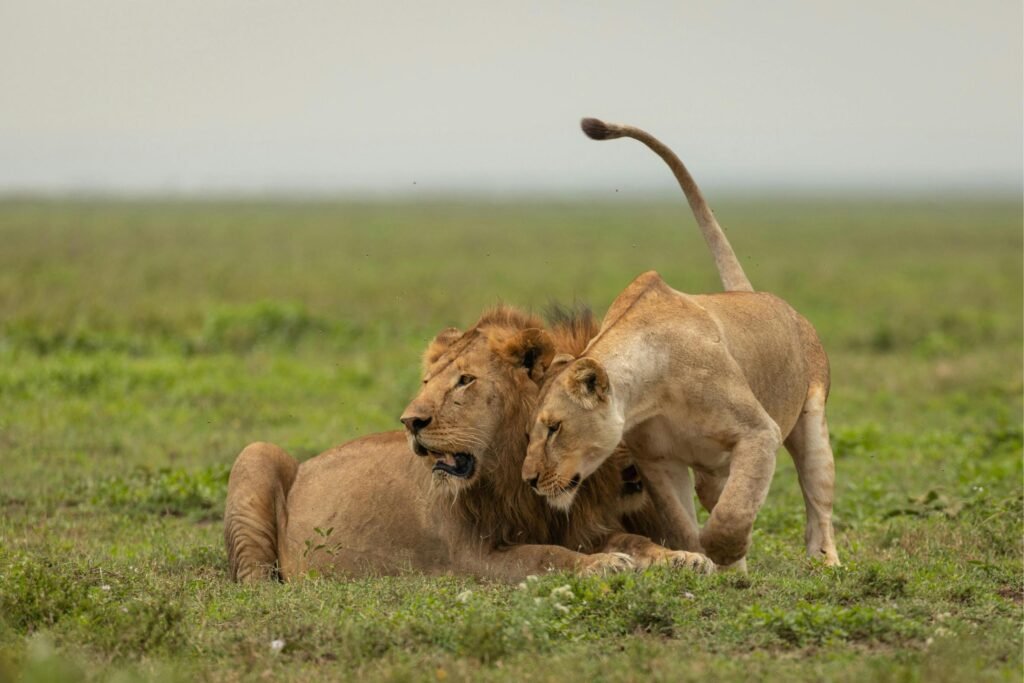
Lions are regularly seen on the crater floor. They may be resting in the grass, moving across the road early in the morning or watching grazing animals from a distance. The crater’s resident lion population makes it one of the stronger places to search for these powerful cats.
Elephants
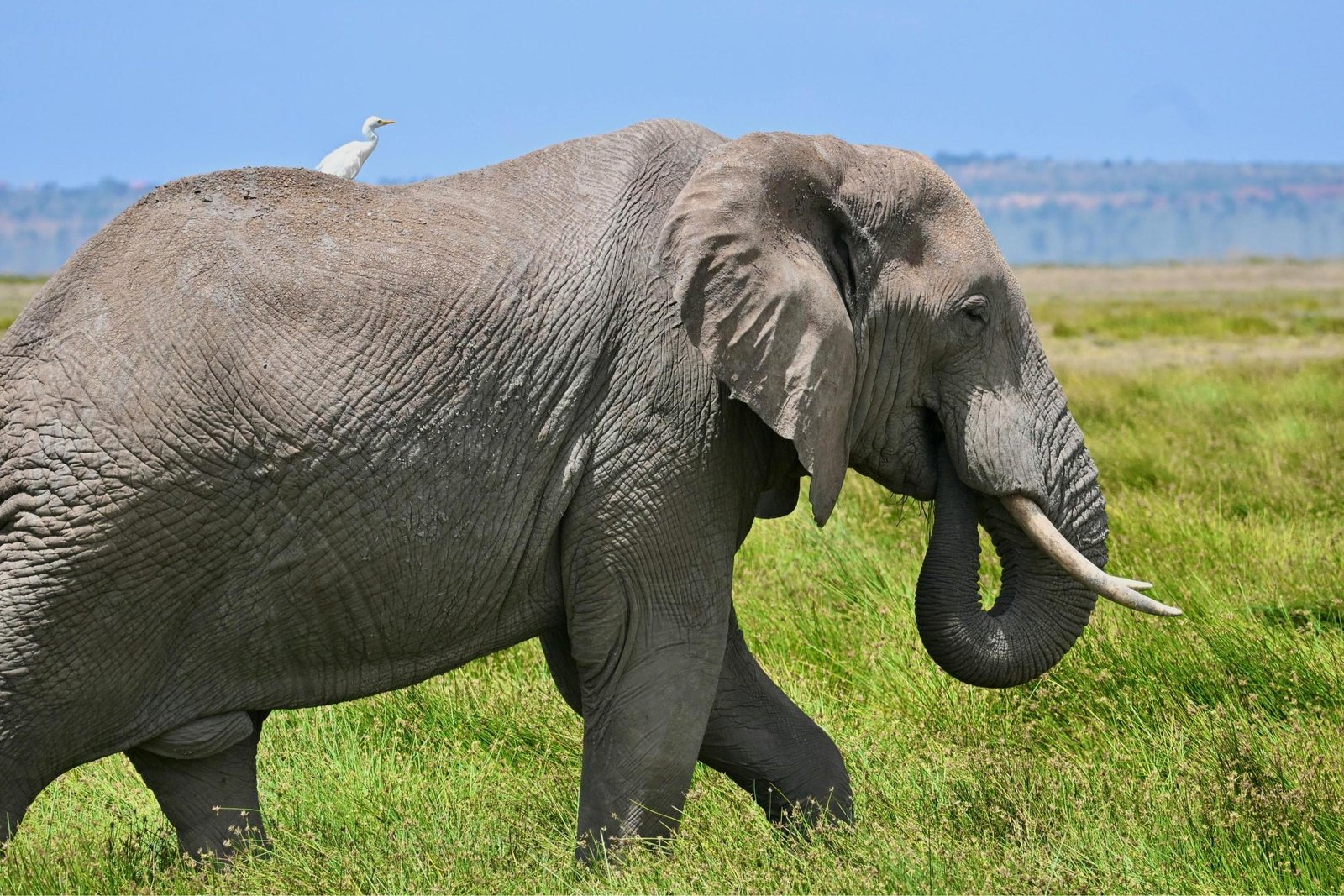
Elephants in Ngorongoro are often seen in the woodland and forested areas. Mature bulls with impressive tusks may be spotted near the Lerai Forest, though wildlife movement changes naturally from day to day.
Buffalo
Buffalo are common in the crater and can be seen in large herds or smaller groups. They are powerful animals and an important part of the Big Five.
Black Rhino
Ngorongoro Crater is one of the best places in northern Tanzania to search for black rhino. These animals are rare and usually seen at a distance, often through binoculars. A responsible guide will keep the vehicle at the appropriate distance and respect park rules at all times.
Leopards
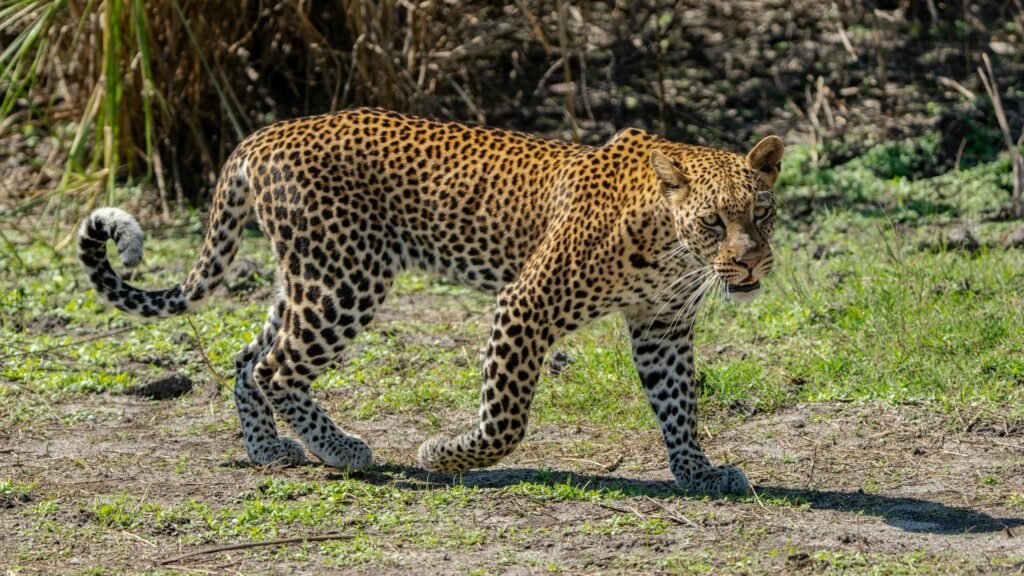
Leopards are present in the conservation area, but they are more difficult to see than lions. They are often associated with woodland and forested areas. Sightings are possible but cannot be promised.
Other Animals
Ngorongoro is also home to zebra, wildebeest, hyenas, jackals, hippos, warthogs, gazelles, eland, waterbuck, baboons and many bird species. You may see flamingos near Lake Magadi, Crowned Cranes in the grassland and raptors circling high above the crater floor.
The Big Five in Ngorongoro
Ngorongoro Crater is one of the best destinations in Tanzania for travellers hoping to see the Big Five: lion, leopard, elephant, buffalo and black rhino.
It is important to understand that wildlife is never guaranteed. Animals move, hide and follow their own natural patterns. However, because Ngorongoro has a rich wildlife population in a relatively compact landscape, it offers strong opportunities during a single game drive.
For guests with a special interest in the Big Five, Serengeti Soul Adventure often combines Ngorongoro Crater with Serengeti National Park and Tarangire National Park. This gives you the best balance of varied landscapes and wildlife habitats.
Beyond the Crater: The Wider Ngorongoro Conservation Area
Ngorongoro Crater receives most of the attention, but the wider conservation area deserves time as well.
Ngorongoro Highlands
The highlands around the crater are green, cool and scenic. The roads move through forests, farms, Maasai villages and open hillsides. Many guests stay in Karatu or on the crater rim before or after their crater safari.
The weather here is cooler than in Arusha or Serengeti, especially in the early morning and evening. A warm jacket is useful for guests staying in the highlands.
Olduvai Gorge
Olduvai Gorge is one of the world’s important archaeological sites. It is often called the “Cradle of Mankind” because of the early human fossils and tools discovered in the area.
For travellers interested in history and human origins, a visit to Olduvai Gorge can be added to a safari itinerary between Ngorongoro and Serengeti. It gives a deeper understanding of the land beyond wildlife.
Ndutu Plains
The Ndutu area lies between the Ngorongoro Conservation Area and southern Serengeti. From around December to March, it can become one of the most important places for the Great Migration calving season.
Large herds of wildebeest and zebra gather on the open plains to give birth, attracting lions, cheetahs, hyenas and other predators. It is an excellent location for wildlife photography and travellers interested in the earliest stage of the migration cycle.
Maasai Culture
The Ngorongoro Conservation Area is a living cultural landscape. Maasai communities live in parts of the area, and you may see herders moving with cattle, women carrying water or traditional bomas in the distance.
For guests who would like a deeper cultural experience, Serengeti Soul Adventure can arrange respectful community visits through appropriate local arrangements. These visits should be approached with genuine curiosity and respect, not as a staged performance.
A Typical Ngorongoro Crater Safari Day
Most crater game drives begin early in the morning. This allows you to reach the descent road while wildlife is active and before the day becomes busier.
After descending the crater wall, your guide begins a slow game drive across the floor. The route may change depending on recent wildlife sightings, road conditions and the animals you hope to see.
You may stop near a hippo pool, watch buffalo grazing in the distance, scan the grassland for rhino or follow lion tracks along the road. Your guide will explain what you are seeing and help you understand the behaviour of the animals.
A picnic lunch is usually enjoyed at a designated site inside the crater. After lunch, the game drive continues before you ascend the crater wall in the afternoon and return to your lodge in Karatu, Ngorongoro Highlands or continue toward Serengeti.
A crater day is full, but it is not rushed when planned properly. Serengeti Soul Adventure schedules the safari so there is time to enjoy wildlife rather than only drive from one point to another.
Best Time to Visit Ngorongoro Conservation Area
Ngorongoro can be visited throughout the year. The crater has resident wildlife, so it remains rewarding in both dry and green seasons.
June to October
This is the dry season in northern Tanzania. Wildlife can be easier to spot around water sources, and the roads are generally drier. It is a popular time for safari, so accommodation and crater permits should be planned well in advance.
December to March
This is an excellent time to combine Ngorongoro Crater with the southern Serengeti and Ndutu calving season. The landscape is green, and large migration herds may be found in the nearby plains.
April to May
This is the main rainy season. The highlands become very green and less crowded, but rainfall can affect road conditions and visibility. It can be a good period for travellers who prefer quieter parks and flexible plans.
November
November often brings shorter rains. Wildlife viewing is still good, and the changing weather can create beautiful skies and green scenery.
How to Get to Ngorongoro Conservation Area
Ngorongoro is usually reached by road from Arusha, which takes approximately four to five hours depending on the route and stops. It is often included between Lake Manyara or Tarangire and Serengeti National Park.
The conservation area is a natural part of the northern Tanzania safari circuit. A common route is:
Arusha → Tarangire → Lake Manyara or Karatu → Ngorongoro Crater → Serengeti → Arusha or Zanzibar
Serengeti Soul Adventure can organise the full route, including airport pickups, private safari vehicle, accommodation, park fees and domestic flight support when needed.
Where to Stay Near Ngorongoro
Accommodation near Ngorongoro can be selected around your budget, travel style and route.
Karatu is a popular base because it has a range of lodge options, green scenery and easy access to the Ngorongoro gate. It is usually more affordable than staying directly on the crater rim.
Crater-rim lodges offer dramatic views and faster access to the crater in the morning, but they are generally more expensive and can be colder at night.
We can arrange:
- Budget camping safari accommodation
- Comfortable mid-range lodges in Karatu
- Luxury lodges on the crater rim or in the highlands
- Family rooms and private cottages where available
- Honeymoon suites and special occasion stays
Your Serengeti Soul Adventure quotation will show the exact accommodation names, room types and meal plan before you confirm the booking.
What to Pack for Ngorongoro Safari
Ngorongoro’s high altitude means mornings and evenings can feel cool, even when the rest of Tanzania is warm.
Bring a light jacket or fleece for early game drives, comfortable neutral-coloured clothing, sunscreen, sunglasses, hat, closed shoes, camera and binoculars if you have them. A small day bag is useful for carrying personal items in the safari vehicle.
For families, bring snacks, any necessary medication and light entertainment for longer road journeys between parks.
Why Visit Ngorongoro with Serengeti Soul Adventure?
Ngorongoro is not a destination to rush through. The right timing, lodge location and route planning make a real difference to the experience.
At Serengeti Soul Adventure, we arrange Ngorongoro safaris as part of a balanced Tanzania journey. We help you choose whether to stay in Karatu or on the crater rim, how to combine the crater with Serengeti or Tarangire and how many days you need for the wildlife experience you want.
Our private driver-guides understand the roads, wildlife areas and daily rhythm of the conservation area. They are there to guide, explain and give you the time to enjoy the crater properly.
Plan Your Ngorongoro Conservation Area Safari
Ngorongoro Conservation Area fits beautifully into a short Tanzania safari or a longer private itinerary. It can be combined with Tarangire, Lake Manyara, Serengeti, the Great Migration, Mount Kilimanjaro or Zanzibar.
Tell Serengeti Soul Adventure your travel dates, number of guests, accommodation preference and wildlife interests. We will prepare a Tanzania safari itinerary that includes Ngorongoro in the right way for your journey.
Frequently Asked Questions About Ngorongoro Conservation Area
Is Ngorongoro Conservation Area the same as Ngorongoro Crater?
No. Ngorongoro Crater is the most famous part of the wider Ngorongoro Conservation Area, which also includes highlands, Maasai communities, Olduvai Gorge and the Ndutu plains.
Can I see the Big Five in Ngorongoro Crater?
Ngorongoro gives you a strong chance of seeing lion, elephant, buffalo and black rhino. Leopards are present but are harder to spot. Wildlife sightings can never be guaranteed.
How long should I spend in Ngorongoro?
A full-day crater game drive is ideal for most visitors. Many travellers stay one night in Karatu or the Ngorongoro highlands before or after the crater safari.
Is Ngorongoro suitable for families?
Yes. The crater is excellent for families because wildlife is concentrated within a relatively compact area. A private safari vehicle also allows the day to move at your family’s pace.
Can I visit Ngorongoro during the rainy season?
Yes. Ngorongoro is open year-round. The rainy season brings greener landscapes and fewer visitors, though roads and weather conditions can be more changeable.
Can I combine Ngorongoro with Serengeti?
Yes. Ngorongoro and Serengeti are commonly combined in Tanzania safari itineraries. The route between them passes through the Ngorongoro Conservation Area and offers scenic views and wildlife opportunities.