Serengeti National Park is the place many travellers picture when they imagine an African safari. It is a land of open grasslands, rocky kopjes, acacia trees and wide horizons where wildlife is part of the everyday landscape.
Here, lions rest in the shade after an early hunt. Elephants move quietly through river valleys. Cheetahs scan the plains from raised ground. Wildebeest and zebra travel in long lines across the grassland, while hyenas, jackals and vultures follow the movement of the herds.
The name “Serengeti” comes from the Maasai word Siringet, often translated as “endless plains.” When you are standing in the middle of the park with the sky stretching in every direction, the name makes perfect sense.
At Serengeti Soul Adventure, we create private Serengeti safaris that give you time to experience the park properly. We do not treat Serengeti as a quick stop between other destinations. Our itineraries are planned around the season, wildlife movement, your available days and the kind of accommodation you prefer.
Whether you are travelling for the Great Migration, a honeymoon, a family safari, wildlife photography or your first Tanzania adventure, Serengeti National Park offers something real and different every day.
Why Visit Serengeti National Park?
Serengeti is one of the world’s great wildlife areas because it has both scale and variety. The park covers a huge area in northern Tanzania and forms part of the wider Serengeti-Mara ecosystem, which extends toward Kenya’s Maasai Mara.
The wildlife here is not limited to a single season. Even when the Great Migration is far away in another part of the ecosystem, Serengeti has strong resident wildlife. Central Serengeti, in particular, is well known for lions, leopards, cheetahs, elephants, buffalo, giraffes, hyenas and many antelope species.
A Serengeti safari is not simply about ticking animals off a list. It is about watching how the animals live. You may see lions watching a herd from the grass, elephant families protecting their calves, hippos resting in a pool or a leopard lying high in a sausage tree.
The park is ideal for travellers who want:
- Big cat sightings and open plains wildlife
- The Great Migration at the right time of year
- Private game drives with an experienced local guide
- Safari photography opportunities
- Luxury tented camps, mid-range lodges or mobile-style camps
- A combination with Ngorongoro Crater, Tarangire, Lake Manyara or Zanzibar
Wildlife in Serengeti National Park
Serengeti is home to an extraordinary range of wildlife. Your guide will use local knowledge, recent sightings and seasonal conditions to search for animals in the best areas.
Big Cats
The Serengeti is especially famous for its predators.
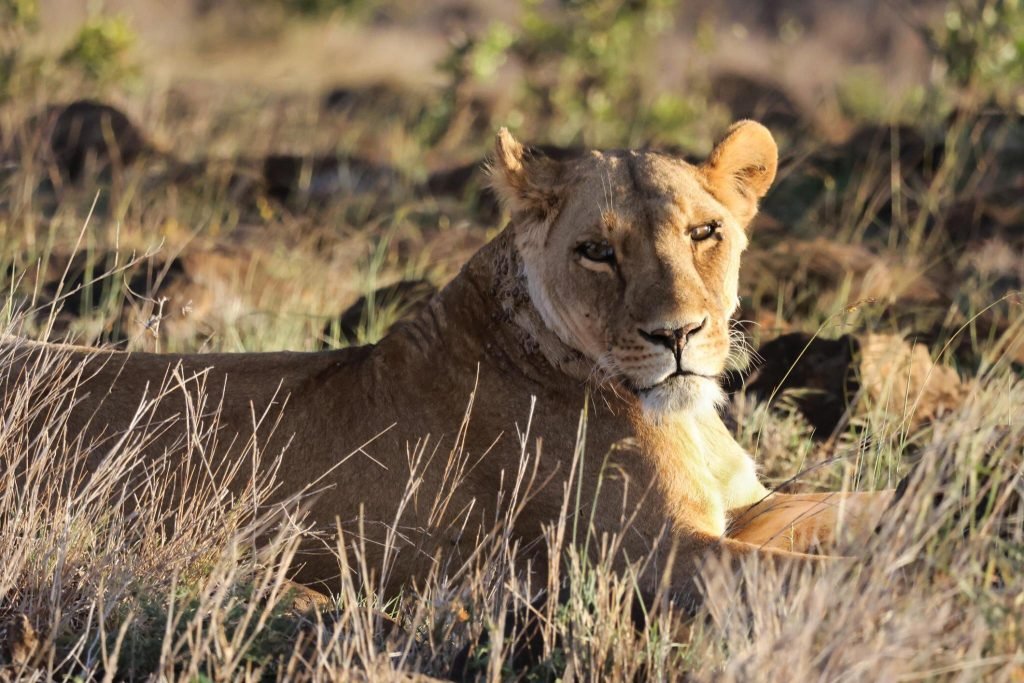
Lions are regularly seen in Central Serengeti, often resting on kopjes or beneath acacia trees during the heat of the day. Early morning and late afternoon are good times to look for more active behaviour.
Leopards are more secretive, but they are often found near river systems and woodland areas. They may be seen resting in trees, moving through grass or watching from a branch above the road.
Cheetahs prefer open country, where they can use their speed to hunt. The grasslands of the Serengeti provide excellent habitat for them, especially in areas with gazelles.
Other predators include spotted hyenas, side-striped jackals, golden jackals, servals and smaller cats such as the African wildcat, though these are harder to see.
Elephants and Buffalo
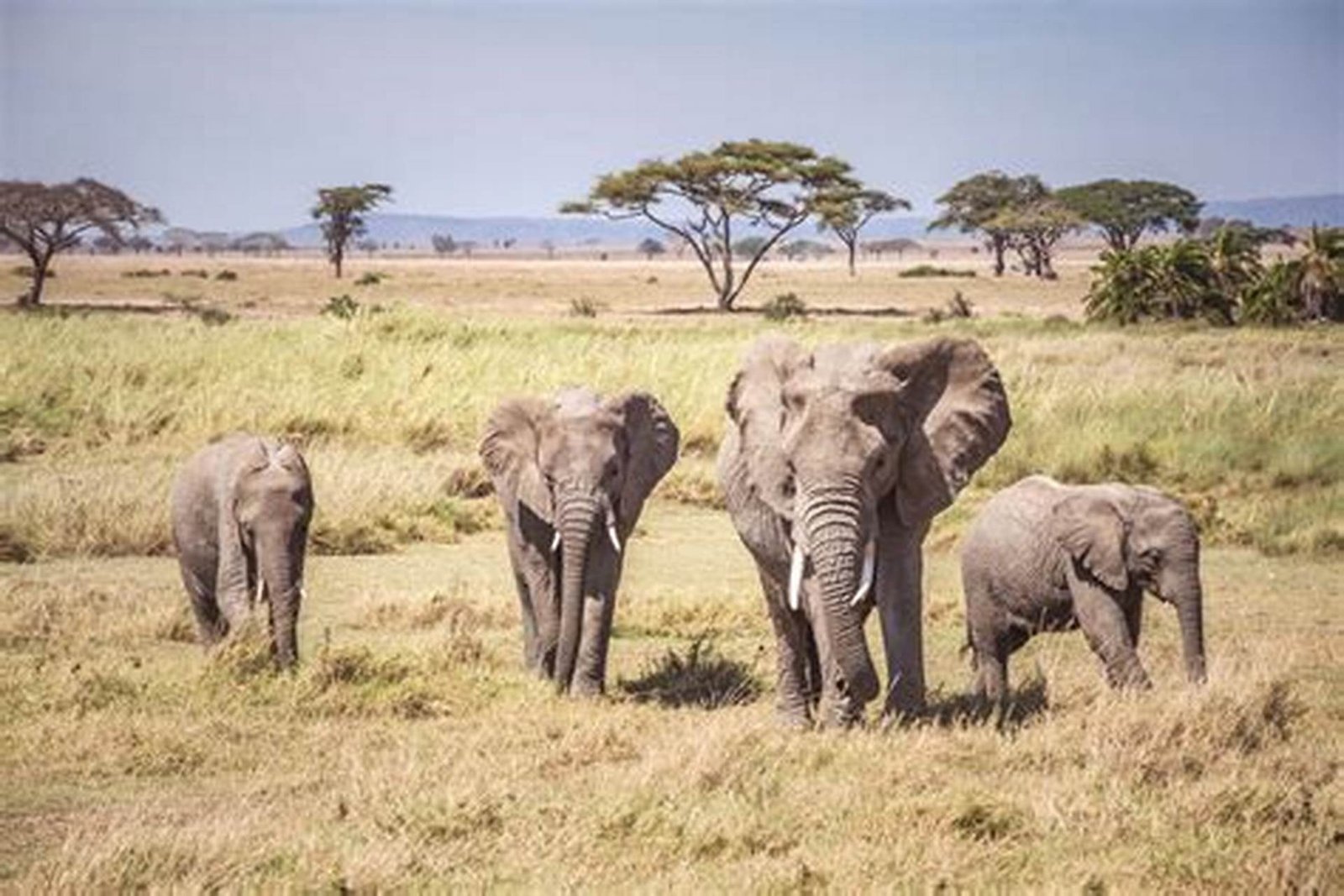
Elephants move through different parts of Serengeti, often staying close to river valleys, woodland and water sources. Seeing a family group crossing the road or feeding quietly among trees is one of the park’s most memorable moments.
Buffalo are also common and can be seen in herds or smaller groups. Along with lion, leopard, elephant and black rhino, they are part of the famous Big Five.
Giraffes, Zebras and Antelope
Giraffes are frequently seen in Serengeti, moving slowly across the plains or feeding from acacia trees. Zebra, wildebeest, impala, topi, Thomson’s gazelle, Grant’s gazelle, hartebeest, eland and waterbuck are also common depending on the area.
These herbivores form the foundation of the Serengeti ecosystem. Their movement attracts predators, scavengers and birds of prey, creating the wildlife interactions that make each game drive feel different.
Birds and Smaller Wildlife
Serengeti is also rewarding for birdwatchers. Ostriches, Secretary Birds, Bateleur Eagles, African Fish Eagles, vultures, hornbills, storks and colourful bee-eaters can all be seen in different habitats.
Look closely and you may also spot warthogs, mongoose, rock hyrax, monitor lizards, baboons and vervet monkeys.
The Great Migration in Serengeti
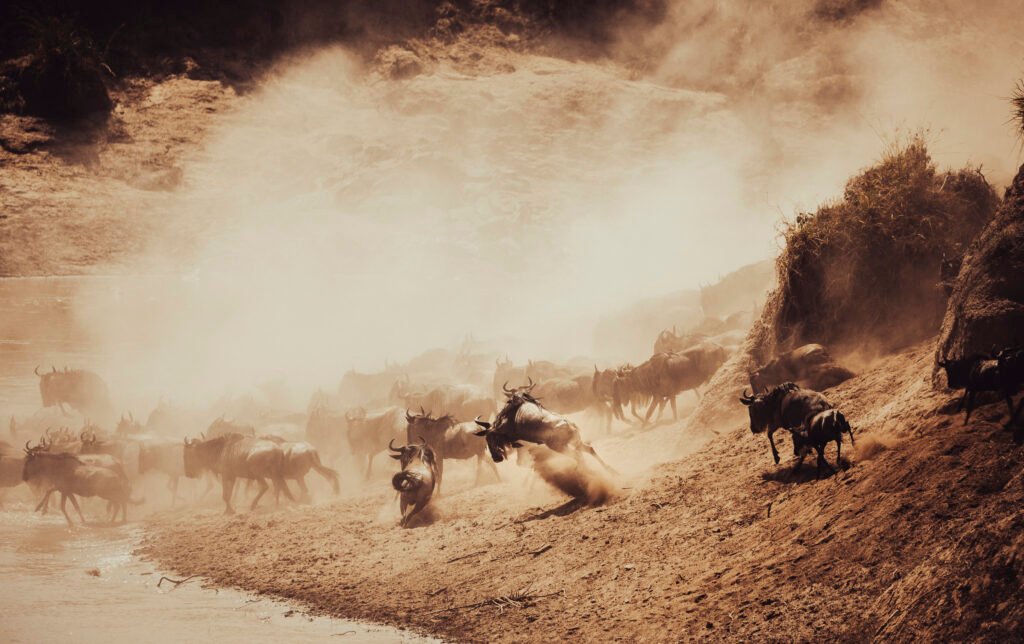
The Great Migration is a year-round movement of wildebeest, zebra and gazelle through the Serengeti-Mara ecosystem. It is not a single event that happens on the same date every year. The herds move according to rainfall, fresh grass and water availability.
The migration is usually made up of more than a million wildebeest, together with large numbers of zebra and gazelle. Predators follow the herds, so migration season can offer dramatic wildlife sightings—but it is important to plan the route around the month you are travelling.
| Travel Period | Typical Migration Area | What You May Experience |
|---|---|---|
| December to March | Southern Serengeti and Ndutu | Calving season and large herds on open plains |
| April to May | Central and western Serengeti | Herds begin moving north after the rains |
| June to July | Western Serengeti and Grumeti | River crossings and northward movement |
| July to October | Northern Serengeti near Mara River | Herds, predator activity and possible Mara River crossings |
| November | Eastern and southern Serengeti | Herds begin returning south with the rains |
A river crossing is never guaranteed. Wildebeest may wait at the riverbank for hours, turn away and return later, or cross when no vehicle is nearby. Serengeti Soul Adventure plans your accommodation in the right migration area and gives you enough time on safari to follow movement, but nature always remains in control.
Serengeti Areas to Know
Serengeti is large, so the best area depends on your travel season and safari goals.
Central Serengeti
Central Serengeti, often called Seronera, is the heart of the park. It has excellent resident wildlife all year, making it a strong choice for first-time visitors and travellers who want reliable game viewing.
The Seronera River and surrounding valleys attract animals even during dry periods. This is one of the best areas to search for lions, leopards, cheetahs, elephants, giraffes and hyenas.
Southern Serengeti and Ndutu
Southern Serengeti and nearby Ndutu plains are especially important from around December to March. This is where many wildebeest gather for the calving season, when thousands of young animals are born across the plains.
The open grasslands make wildlife easier to see, and predators are active during this period. It is an excellent time for photographers and travellers interested in the early stage of the migration cycle.
Western Serengeti
Western Serengeti follows the route toward the Grumeti River. Around May to July, the migration often moves through this area on its way north. The region has woodlands, rivers and a different feel from the open central plains.
Northern Serengeti
Northern Serengeti is remote, beautiful and often quieter than Central Serengeti. It is best known for the Mara River, where migration herds may gather from around July to October.
This is the area many travellers choose when hoping to see a river crossing. It is also rich in resident wildlife, with elephants, giraffes, predators and river species such as hippos and crocodiles.
Safari Experiences in Serengeti National Park
A Serengeti safari can be planned around the kind of experience you want.
Private Game Drives
Most Serengeti Soul Adventure safaris are arranged with a private 4×4 vehicle and professional driver-guide. This gives you the flexibility to spend more time at wildlife sightings, stop for photographs and move at your own pace.
Your guide is not only driving from one place to another. They are reading tracks, watching animal behaviour, listening for bird alarms and using current knowledge of where wildlife has been seen.
Early Morning Game Drives
Early morning is one of the best times to be in Serengeti. The air is cool, the light is soft and predators may still be active after the night. It is a wonderful time for photography and quieter wildlife viewing.
Full-Day Safari Adventures
A full-day game drive allows you to explore different habitats and follow wildlife farther from camp. Your guide will pack a picnic lunch so you can spend the day in the park without needing to return early.
Hot Air Balloon Safari
A hot air balloon safari offers a completely different view of Serengeti. You float quietly above the plains at sunrise and see the landscape, wildlife trails and herds from above. Balloon safaris are normally booked in advance and are subject to weather and availability.
Bush Breakfasts and Sundowners
Selected camps can arrange bush breakfasts, sundowners or private dinners in beautiful locations. These experiences add a special touch to honeymoons, anniversaries and celebrations.
How Many Days Do You Need in Serengeti?
For most travellers, at least two or three nights in Serengeti is recommended. One night can give you a taste of the park, but extra days allow you to explore different areas and improve your chances of seeing the wildlife you came for.
If the Great Migration is your main reason for visiting, we often recommend three or more nights in the correct seasonal area. Northern Serengeti, in particular, is far from Arusha, so flying to Kogatende can be a smarter use of time than long road travel.
Serengeti can be included in a 4-day Northern Circuit safari, 5-day Serengeti and Ngorongoro safari, 6-day Tanzania Classic Safari, 7-day Great Migration safari or a longer private Tanzania itinerary.
Accommodation in Serengeti
Where you sleep in Serengeti matters. A camp in the right area can save hours of driving and keep you closer to early morning wildlife activity.
Serengeti Soul Adventure can arrange accommodation at different levels:
- Budget camping safaris for travellers who enjoy a more adventurous style
- Comfortable mid-range tented camps and lodges
- Luxury tented camps with private bathrooms and excellent service
- Premium lodges and private safari experiences
- Family tents, interconnecting rooms or private villas where available
For migration safaris, we recommend choosing accommodation close to the seasonal movement of the herds. For example, Northern Serengeti camps are best for the Mara River season, while southern Serengeti and Ndutu camps work better during the calving period.
Your final safari quotation will show the exact accommodation, room type and meal plan before booking.
Best Time to Visit Serengeti National Park
Serengeti is a year-round safari destination. The best time depends on what you want to see.
June to October is the dry season. Wildlife is often easier to spot near water sources, and the migration may be in western or northern Serengeti. The weather is generally dry, but the park can be busier.
December to March is excellent for the southern migration and calving season. The landscape is green, large herds gather on the plains and predator activity can be very rewarding.
April and May bring long rains, greener scenery and fewer visitors. Some roads can be wetter, but this can be a good period for travellers who prefer quieter parks and lush landscapes.
November often brings short rains and the beginning of the migration’s return toward the south.
How to Reach Serengeti National Park
Serengeti can be reached by road from Arusha through the Ngorongoro Conservation Area. The drive is scenic and allows game viewing along the way, but it takes time.
For travellers going to Northern Serengeti or those with limited days, a scheduled domestic flight is often the best option. Flights connect Arusha with airstrips such as Seronera in Central Serengeti and Kogatende in Northern Serengeti.
Serengeti Soul Adventure can arrange your road safari, domestic flight support, airport transfers and accommodation as one complete Tanzania itinerary.
Why Travel to Serengeti with Serengeti Soul Adventure?
A good Serengeti safari is built around timing, local knowledge and the ability to slow down when something special happens.
At Serengeti Soul Adventure, we help you choose the right park area for your dates, not simply the same route for every traveller. We listen to what matters to you—whether that is the migration, big cats, family travel, photography, a honeymoon or a balance of comfort and value.
Our private safaris are led by experienced local guides who understand the roads, the parks and the changing rhythm of wildlife. From your arrival in Arusha to your final game drive, we want you to feel looked after, informed and free to enjoy the experience.
Plan Your Serengeti Safari
Serengeti National Park can be the centre of your Tanzania journey or part of a wider safari that includes Ngorongoro Crater, Tarangire, Lake Manyara, Mount Kilimanjaro or Zanzibar.
Tell Serengeti Soul Adventure your travel dates, number of travellers, accommodation preference and wildlife interests. We will create a Serengeti safari itinerary that fits your season and gives you time to experience the park properly.
Frequently Asked Questions About Serengeti National Park
What is Serengeti National Park famous for?
Serengeti is famous for the Great Migration, large lion populations, open plains, big cats and exceptional year-round wildlife viewing.
What is the best month to see the Great Migration?
The best month depends on the part of the migration you want to see. December to March is best for the southern calving season, while July to October is usually best for Northern Serengeti and the Mara River area.
Can I see the Big Five in Serengeti?
Lions, elephants, buffalo and leopards can be seen in Serengeti. Black rhino sightings are rare in the park, so Ngorongoro Crater is often included for travellers hoping to see all Big Five species.
How many nights should I stay in Serengeti?
Two to three nights is a good minimum. For the Great Migration or a wildlife photography safari, three or more nights in the right area are recommended.
Is Serengeti suitable for families?
Yes. A private Serengeti safari can be adjusted around family needs, with suitable accommodation, flexible game-drive timing and family room options where available.
Can I combine Serengeti with Zanzibar?
Yes. Serengeti can be combined with Zanzibar through domestic flights and planned transfers. It is one of the best safari-and-beach combinations in Tanzania.