
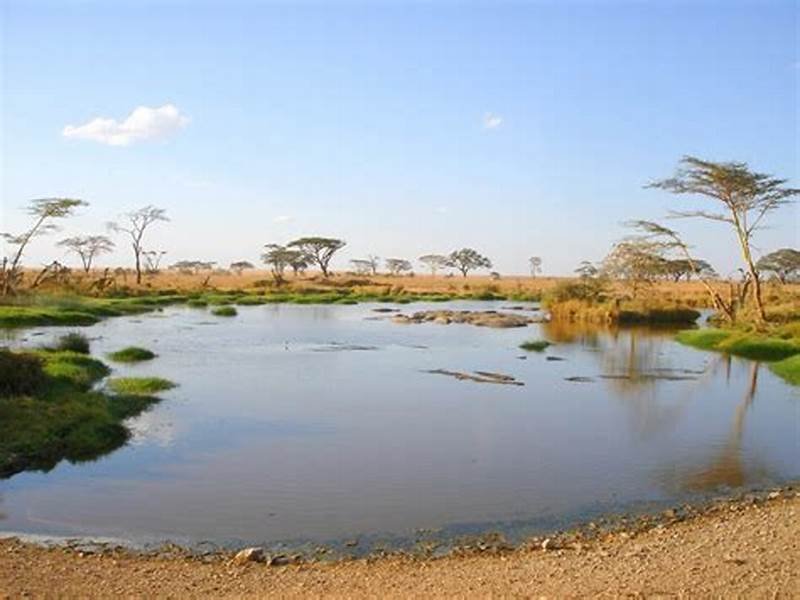
Lake Manyara National Park may be smaller than Serengeti and Ngorongoro, but it offers a completely different safari experience. The park sits beneath the dramatic wall of the Great Rift Valley Escarpment and combines lush groundwater forest, open grassland, acacia woodland, hippo pools and the wide alkaline waters of Lake Manyara.
It is a park of contrasts. You may begin your game drive beneath tall fig and mahogany trees, watching baboons move through the forest. A short time later, the road opens onto grassland where giraffes, zebras and buffalo feed beneath the escarpment. Farther on, you may see hippos in a pool or flamingos along the lakeshore when water conditions allow.
At Serengeti Soul Adventure, we include Lake Manyara in carefully planned Tanzania safaris for guests who want variety in their itinerary. It works beautifully between Tarangire and Ngorongoro, as part of a family safari, or as a rewarding day trip from Arusha.
Lake Manyara is not about covering huge distances in a single day. It is about slowing down, looking closely and enjoying a rich natural landscape that changes from one section of the park to the next.
Why Visit Lake Manyara National Park?
Lake Manyara National Park is one of northern Tanzania’s most scenic and accessible safari destinations. It is located close to the town of Mto wa Mbu and is often included in the classic northern safari circuit together with Tarangire, Ngorongoro Crater and Serengeti National Park.
The park is particularly appealing for travellers who enjoy:
- A shorter, more varied game-drive experience
- Groundwater forest and lush green scenery
- Large baboon troops and elephant sightings
- Birdwatching and lakeshore wildlife
- The possibility of seeing tree-climbing lions
- A good park for families and first-time safari travellers
- A safari combined with cultural activities around Mto wa Mbu
Lake Manyara provides a refreshing change from the open plains of Serengeti. Its forested setting, escarpment views and compact size make it a valuable part of a longer Tanzania safari.
The Landscapes of Lake Manyara
One of the reasons Lake Manyara feels different is the variety of habitats inside a relatively compact area.
Groundwater Forest
The park’s entrance road takes you into a lush groundwater forest. Tall trees, vines, ferns and dense vegetation create a cool environment that can feel almost tropical.
This is a good place to see baboons, vervet monkeys, bushbuck and colourful birds. Elephants are also sometimes seen moving quietly through the forest, and the shade makes the early part of the game drive especially pleasant.
Acacia Woodland and Grassland
As you move deeper into the park, the forest opens into acacia woodland and grassland. This is where you may see giraffes feeding from trees, zebras grazing and buffalo resting in the shade.
The change in scenery happens quickly, which makes the park interesting for photographers and families. You are not looking at the same type of landscape throughout the day.
Lake Manyara Shoreline
Lake Manyara is a shallow alkaline lake that covers a large part of the park. Water levels and birdlife can vary with the season, but the shoreline remains an important part of the park’s character.
When conditions are right, the lake may attract flamingos, pelicans, storks, herons and other water birds. The wide water surface also reflects the Rift Valley Escarpment, creating beautiful views during clear weather.
Great Rift Valley Escarpment
The steep escarpment rises dramatically above the park, creating a powerful backdrop for game drives. It is one of the features that gives Lake Manyara its special sense of place.
As you travel through the park, you may see animals feeding on the grassland with the escarpment behind them. It is a striking scene and a reminder that safari is not only about animals—it is also about the landscapes they live in.
Wildlife in Lake Manyara National Park
Lake Manyara has a healthy mix of wildlife, although the species you see will depend on weather, season and the natural movement of animals.
Elephants
Lake Manyara is known for elephants, which are often seen in the forest and woodland areas. You may find a family group feeding beneath the trees, crossing the road or moving quietly through the bush.
Elephants can be difficult to spot in thick forest, but your Serengeti Soul Adventure guide will know the areas where they are often seen and will keep a careful watch for fresh signs.
Baboons and Monkeys
Baboons are one of the most common and entertaining sights in Lake Manyara. Large troops move through the forest, grooming each other, playing, feeding and looking after young ones.
Vervet monkeys are also found in the park. For families, these primates are often a highlight because their behaviour is easy to observe from the safari vehicle.
Tree-Climbing Lions
Lake Manyara is famous for its tree-climbing lions. Lions in the park are sometimes seen resting in acacia trees, especially when the weather is warm or insects are troublesome on the ground.
However, tree-climbing lion sightings are never guaranteed. Lions move through the park, and they may be resting in long grass, woodland or another area entirely. A good safari should never promise an animal that nature has not agreed to show.
Giraffes, Zebras and Buffalo
Giraffes, zebras, wildebeest, buffalo, impala and warthogs can be seen in the park’s grassland and woodland habitats. These animals are often easier to spot once the forest opens up.
Buffalo may be seen in groups, while giraffes are often found feeding along the acacia lines. Your guide will take time to explain animal behaviour and help you notice details that are easy to miss at first.
Hippos and Birds
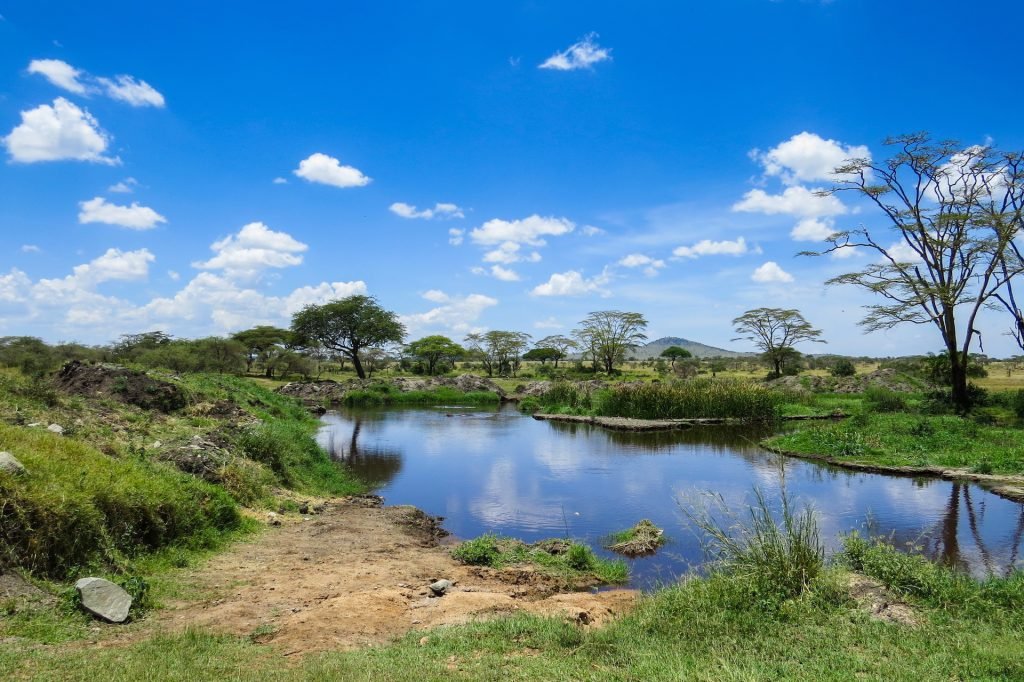
Hippos are commonly seen in Lake Manyara’s pools and wetland areas. They spend much of the day in water, with only their eyes, ears and nostrils visible above the surface.
Birdlife is one of the park’s major attractions. Lake Manyara has many species, including flamingos when conditions are suitable, pelicans, storks, kingfishers, hornbills, eagles and herons.
A Lake Manyara Safari with Serengeti Soul Adventure
A Lake Manyara game drive is usually planned as a half-day or full-day experience. Because the park is relatively compact, it fits well into a Tanzania itinerary without requiring several nights inside the park.
Your Serengeti Soul Adventure driver-guide will collect you from Arusha, Karatu, Mto wa Mbu or your previous safari destination, depending on the itinerary. After park entry, you begin a slow wildlife drive through the forest, woodland and lakeshore areas.
There is no need to race through Lake Manyara. The best game drives leave space for observation. Your guide may stop to watch a baboon troop, wait for elephants moving through forest or scan the trees for lions.
A picnic lunch can be arranged in or near the park, depending on your route and accommodation plan. After the game drive, you may continue to Karatu, Ngorongoro, Tarangire or return to Arusha.
Lake Manyara as Part of a Northern Tanzania Safari
Lake Manyara works best when it is combined with other parks that offer different experiences.
Lake Manyara and Tarangire
Tarangire is known for elephants, baobab trees and dry-season wildlife around the river. Lake Manyara adds forest, birdlife and the Rift Valley Escarpment. Together, they create a varied short safari.
Lake Manyara and Ngorongoro Crater
Manyara is close to Karatu and the Ngorongoro Conservation Area. This makes it easy to enjoy a Lake Manyara game drive before spending the next day inside Ngorongoro Crater.
Lake Manyara, Serengeti and Ngorongoro
For a classic northern Tanzania safari, Lake Manyara can be combined with Serengeti and Ngorongoro. You begin with forest and lakeshore wildlife, then move to the endless plains of Serengeti and finish with the wildlife density of the crater.
Lake Manyara Family Safaris
Lake Manyara is an excellent park for family travel because the game drives are shorter, the scenery changes frequently and wildlife can be seen in different habitats. Children often enjoy baboons, monkeys, hippos, elephants and the possibility of seeing lions in trees.
Best Time to Visit Lake Manyara National Park
Lake Manyara can be visited throughout the year. The best time depends on the type of experience you prefer.
Dry Season: June to October
During the dry season, the weather is generally clearer and roads are often easier to travel. Wildlife can be easier to spot in open areas, and the park combines well with Tarangire’s dry-season elephant viewing.
Green Season: November to May
The rainy periods bring green landscapes, fresh vegetation and excellent birdlife. The forest looks particularly rich, and the escarpment can be very beautiful after rain.
Lake Manyara can be especially rewarding for birdwatchers during wetter months, although water levels and flamingo numbers change naturally from season to season.
Flamingo Sightings
Flamingos are associated with Lake Manyara, but their numbers depend on water level, food availability and natural conditions. They may be present in large groups, smaller numbers or not easily visible during your visit.
It is always better to plan a Lake Manyara safari for the full experience of forest, wildlife and landscape rather than for one specific bird or animal.
How to Get to Lake Manyara National Park
Lake Manyara is located in northern Tanzania, near Mto wa Mbu and approximately two to three hours by road from Arusha, depending on traffic and stops.
It is usually reached by private safari vehicle and is often included on the way to Karatu, Ngorongoro Conservation Area or Serengeti National Park.
A common route is:
Arusha → Tarangire → Lake Manyara → Karatu / Ngorongoro → Serengeti
Serengeti Soul Adventure can organise airport pickup, hotel accommodation, private transport, park fees, guide services and the complete safari route from start to finish.
Where to Stay Near Lake Manyara
Most travellers stay in Mto wa Mbu, Karatu or nearby lodge areas rather than inside Lake Manyara National Park. This gives you a good range of accommodation and easy access to the next safari destination.
We can arrange:
- Comfortable budget camping stays
- Mid-range lodges in Mto wa Mbu or Karatu
- Luxury lodges in the Karatu highlands
- Family rooms, cottages and interconnecting rooms
- Honeymoon accommodation with private dining options
Your Serengeti Soul Adventure quotation will clearly show the accommodation name, room type and meal plan before you confirm your safari.
Add a Cultural Experience in Mto wa Mbu
Mto wa Mbu is a lively community near Lake Manyara and a good place to add a cultural experience to your safari.
A guided village walk can introduce you to local food, farms, small businesses and everyday life. You may visit a market, see banana plantations, learn about local crafts or enjoy a traditional meal.
This experience is especially good for travellers who want to understand more about Tanzania beyond the national parks. It can be added before or after the Lake Manyara game drive, depending on the time available.
What to Pack for a Lake Manyara Safari
Lake Manyara can feel warm and humid in the forest, while mornings in Karatu and Ngorongoro highlands can be cooler.
Pack comfortable neutral-coloured clothing, a light jacket, sunscreen, hat, sunglasses, walking shoes, camera and personal medication. Binoculars are useful for birdwatching and for spotting animals in woodland or near the lake.
If you are travelling with children, bring snacks, refillable water bottles and any personal items they may need during the game drive.
Why Visit Lake Manyara with Serengeti Soul Adventure?
A Lake Manyara safari is most rewarding when it is placed properly within the rest of your Tanzania itinerary. The park may be small, but it has a strong personality and deserves more than a rushed drive through.
At Serengeti Soul Adventure, we plan your route so that Lake Manyara complements the other parks you visit. We can pair it with Tarangire for a short safari, add it to a classic Serengeti and Ngorongoro itinerary or include it in a family safari with suitable accommodation and flexible game-drive pacing.
Our local driver-guides know the park’s forest roads, wildlife areas and seasonal changes. They help you notice the details that make Lake Manyara special—from a baboon troop in the trees to an elephant moving quietly through the forest.
Plan Your Lake Manyara National Park Safari
Lake Manyara National Park is a beautiful addition to any northern Tanzania journey. It can be enjoyed as a day trip from Arusha or as part of a longer safari to Tarangire, Ngorongoro Crater, Serengeti and Zanzibar.
Tell Serengeti Soul Adventure your travel dates, number of guests, preferred accommodation level and safari interests. We will prepare a Tanzania itinerary that includes Lake Manyara in the right way for your journey.
Frequently Asked Questions About Lake Manyara National Park
What is Lake Manyara National Park famous for?
Lake Manyara is known for its groundwater forest, large baboon troops, elephants, birdlife, Rift Valley Escarpment views and the possibility of seeing tree-climbing lions.
Can I see tree-climbing lions in Lake Manyara?
It is possible, but not guaranteed. Lions in the park sometimes rest in trees, but they may also be in long grass, woodland or other areas during your game drive.
How long do I need in Lake Manyara National Park?
A half-day or full-day game drive is enough for most visitors. The park is often combined with Tarangire, Ngorongoro Crater or Serengeti in a longer Tanzania safari.
Is Lake Manyara good for families?
Yes. The compact size, forest setting, baboons, monkeys, elephants and birdlife make Lake Manyara a good safari destination for families with children.
When is the best time to see flamingos at Lake Manyara?
Flamingo numbers depend on seasonal water levels and food conditions. They may be seen at different times of year, but sightings cannot be guaranteed.
Can I combine Lake Manyara with Ngorongoro Crater?
Yes. Lake Manyara and Ngorongoro are close enough to combine easily. Many travellers stay in Karatu after Lake Manyara before visiting Ngorongoro Crater the following day.