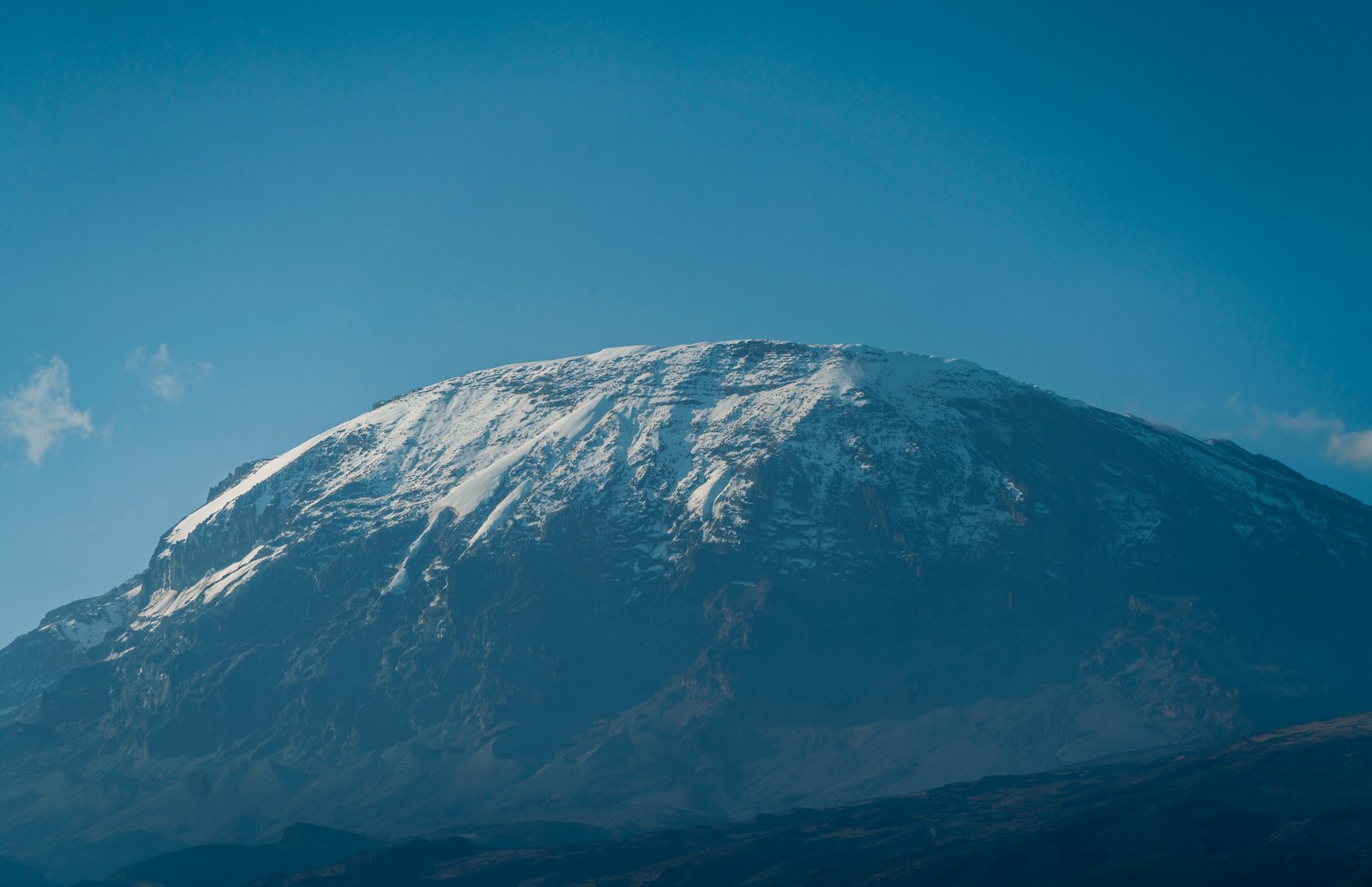
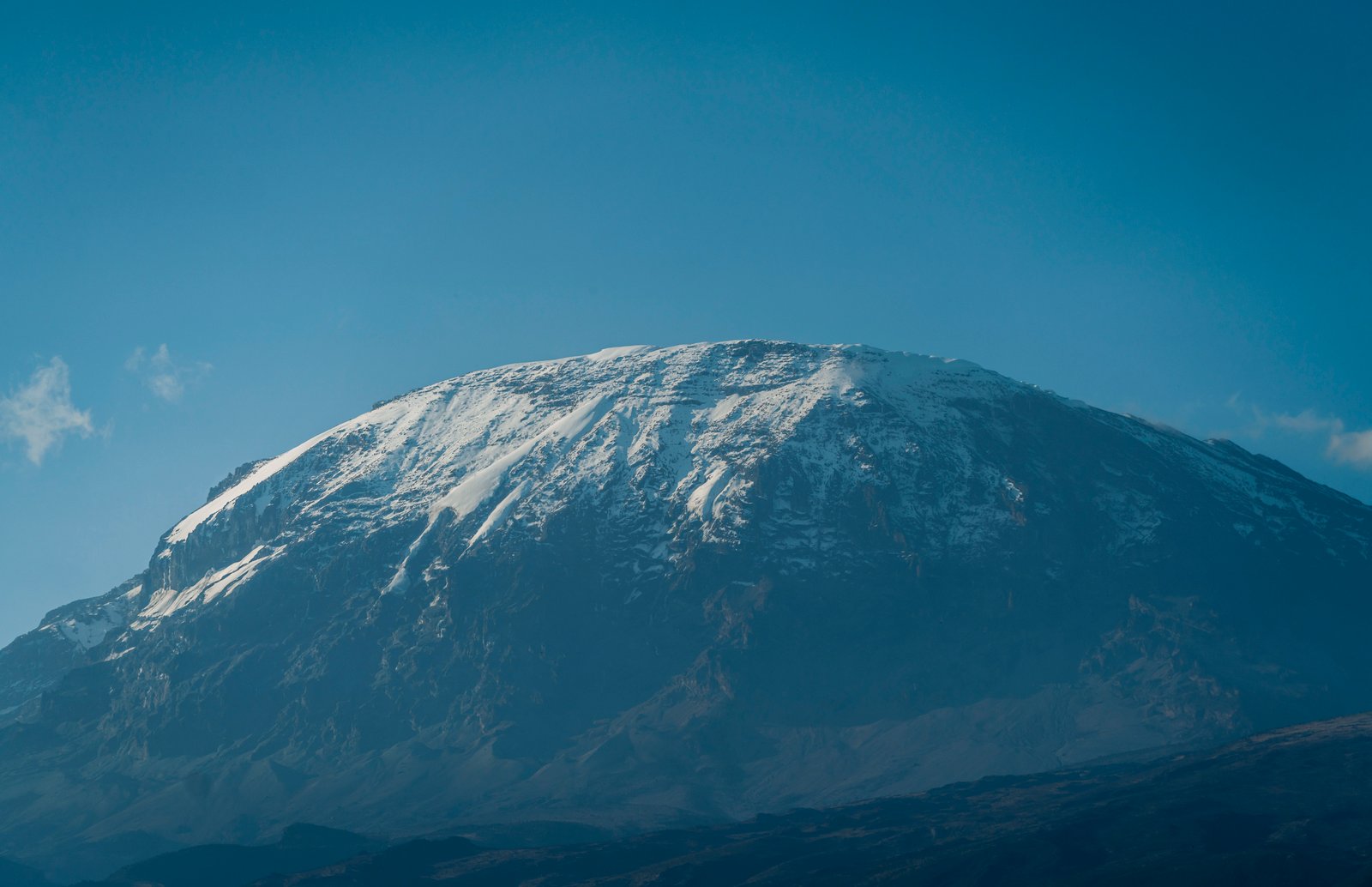
Mount Kilimanjaro rises above northern Tanzania like no other mountain in Africa. At 5,895 metres, it is the highest point on the continent and the world’s tallest free-standing mountain. From a distance, its snow-covered summit seems calm and far away. On the trail, it becomes a journey of changing landscapes, steady effort, quiet mornings and the support of the people climbing beside you.
A Kilimanjaro climb is not only about reaching Uhuru Peak. It is about walking from rainforest into open moorland, watching the clouds move below you, sharing a warm meal at camp and discovering what you can do when the air becomes thin and every step matters.
At Serengeti Soul Adventure, we arrange Mount Kilimanjaro climbs with careful planning, experienced local mountain teams and honest advice before you arrive in Tanzania. We help you choose the right route for your available time, fitness level, comfort preference and climbing goals. Whether you are planning your first high-altitude trek or returning to Africa for another challenge, our aim is to make you feel prepared from the first enquiry to the final descent.
Why Climb Mount Kilimanjaro?
Kilimanjaro is one of the few major summits in the world that can be climbed without ropes, ice axes or technical mountaineering experience on its standard routes. That makes it achievable for determined travellers with the right preparation, route choice and mountain support.
But it should never be treated as an easy walk. Kilimanjaro is a high-altitude trek, and the summit night is physically and mentally demanding. The route you choose, the number of days you spend on the mountain and the way your body responds to altitude all matter.
What makes Kilimanjaro special is the variety of the journey. During one climb, you may pass through five different ecological zones:
- Cultivated land and forest at the mountain’s lower slopes
- Rainforest with tall trees, birds and monkeys
- Heather and moorland with giant lobelias and volcanic ridges
- High alpine desert, dry and open beneath the summit
- Arctic summit conditions near Uhuru Peak
Few treks offer such a visible change in landscape over a single week.
Climb with a Local Kilimanjaro Team
The people around you on the mountain make a real difference. Your guide leads the route, sets the pace and checks how you are adapting. Porters carry the main equipment and luggage, set up camp and make sure the daily trek can run smoothly. The cook prepares meals that help maintain your energy at altitude.
At Serengeti Soul Adventure, we understand that guests arrive with different levels of trekking experience. Some are confident hikers. Others may be stepping onto a mountain trail for the first time. We take time to explain what to expect, what to pack and how to prepare before the climb begins.
On the mountain, the most important rule is simple: pole pole. In Swahili, it means “slowly, slowly.” It is the rhythm of Kilimanjaro. Walking slowly helps conserve your energy and gives your body the best chance to adjust to altitude.
Kilimanjaro Climbing Routes
There is no single “best” Kilimanjaro route for everyone. The right route depends on how many days you have, whether you prefer huts or tents, your fitness level and how much time you want for acclimatisation.
| Route | Typical Duration | Accommodation | Best For |
|---|---|---|---|
| Machame Route | 6–7 days | Camping | Scenic route with varied landscapes |
| Lemosho Route | 7–8 days | Camping | Climbers wanting a gradual, scenic approach |
| Marangu Route | 5–6 days | Mountain huts | Guests who prefer hut accommodation |
| Rongai Route | 6–7 days | Camping | Quieter northern approach and drier conditions |
| Northern Circuit | 8–9 days | Camping | Maximum acclimatisation and quieter trails |
| Umbwe Route | 6 days | Camping | Strong, experienced and well-prepared trekkers |
Machame Route
Machame is one of the most popular routes on Mount Kilimanjaro. It is known for its varied scenery, taking climbers through rainforest, Shira Plateau, Lava Tower, Barranco Wall, Karanga Valley and Barafu Camp before the summit attempt.
The seven-day Machame Route is usually the stronger choice because it provides an additional day for acclimatisation. It suits travellers who want a scenic route and are comfortable sleeping in mountain tents.
Lemosho Route
Lemosho begins on the quieter western side of Kilimanjaro and crosses the beautiful Shira Plateau before joining the southern circuit. It is one of the most scenic routes and is excellent for travellers who have enough time to climb gradually.
The 8-day Lemosho Route is especially popular because it allows more time for the body to adapt before summit night. It is a strong choice for first-time high-altitude trekkers who want to prioritise a sensible itinerary.
Marangu Route
Marangu is the only main Kilimanjaro route with mountain hut accommodation. Instead of sleeping in tents, climbers stay in shared huts at Mandara, Horombo and Kibo.
The 6-day Marangu Route includes an acclimatisation day at Horombo Hut, making it a better option than the quicker five-day schedule. It is suitable for travellers who prefer a bed in a hut and a more straightforward trail.
Rongai Route
Rongai approaches Kilimanjaro from the northern side near the Kenyan border. It is generally quieter than Machame and Marangu and often receives less rainfall than the southern routes.
The trail passes through Simba Camp, Second Cave, Kikelewa and Mawenzi Tarn before reaching Kibo Hut. Climbers then descend through the Marangu Route, allowing them to experience different scenery on the way down.
Northern Circuit Route
The Northern Circuit is Kilimanjaro’s longest standard route. It begins through the Lemosho approach, crosses Shira Plateau and then turns north around the quieter side of the mountain.
With eight or nine days on the mountain, it offers one of the best acclimatisation profiles. It is an excellent choice for travellers who want a longer trek, fewer crowds and more time to enjoy the mountain beyond the summit goal.
Umbwe Route
Umbwe is a steep and direct route that approaches Kilimanjaro from the south. It is dramatic and less crowded, but it gains altitude quickly. For this reason, it is better suited to very fit, well-prepared trekkers who understand the challenge of high-altitude hiking.
Our team will always give honest guidance when helping you choose between Umbwe and a more gradual route such as Lemosho, Machame or Northern Circuit.
The Importance of Acclimatisation
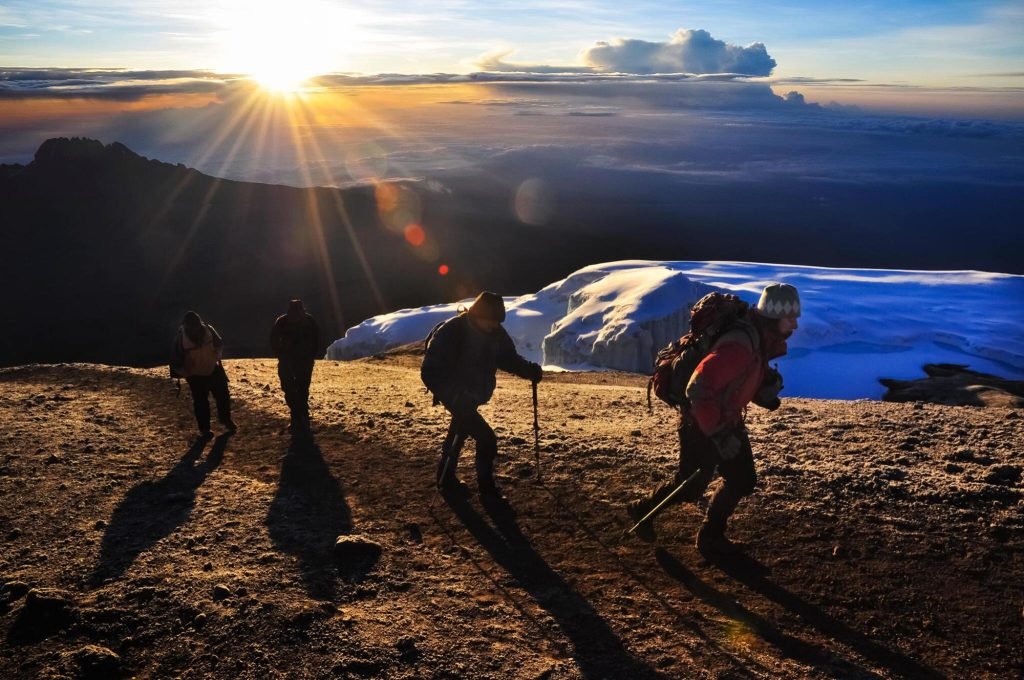
Altitude is the main challenge of climbing Kilimanjaro. As you climb higher, there is less oxygen in the air. Even strong and fit people can feel the effects of altitude, which may include headache, tiredness, poor sleep, nausea or reduced appetite.
This is why the shortest itinerary is not always the best choice. Extra days on the mountain give your body more time to adjust. Routes such as the 8-day Lemosho and 9-day Northern Circuit are popular because they allow a gradual climb and more sensible acclimatisation.
Your guide will encourage you to drink water, eat well, walk slowly and report honestly if you feel unwell. Safety must always come before the summit. Reaching Uhuru Peak is an incredible achievement, but returning safely with good memories matters more.
What Is a Typical Day Like on Kilimanjaro?
Life on the mountain follows a simple rhythm. You wake early to tea or coffee, then enjoy breakfast before packing your daypack. Your main luggage is carried by porters, so you only need to carry the items needed during the day.
You walk at a steady pace, with regular water and rest stops. Depending on the route, lunch may be served on the trail or at camp. By afternoon, you arrive at your next camp, where you can rest, have a warm drink and prepare for dinner.
Evenings are quiet. The temperature drops, the sky often fills with stars and there is little to do except eat, rest and prepare for the next day. It is a simple routine, but it helps you focus fully on the journey.
Summit night is different. It begins shortly after midnight, when you put on your warmest layers and start climbing in the dark. The trail is slow, cold and demanding. Your guide stays close, setting a pace that gives you the best chance of reaching Stella Point and then Uhuru Peak at sunrise.
Preparing for Your Kilimanjaro Climb
You do not need to be a professional athlete to climb Kilimanjaro, but you should prepare your body before travelling. A good training plan should begin at least two or three months before the trek where possible.
Walking is one of the best forms of preparation. Build up to longer walks, ideally on hills or uneven terrain. Stair climbing, cycling, jogging and swimming can all improve your endurance. Strength exercises for the legs, core and back are also helpful.
Try to train with the hiking boots and daypack you plan to use on the mountain. This helps you avoid surprises such as blisters, uncomfortable straps or footwear that does not support your feet properly.
Mental preparation matters too. Some days are long, and summit night can test your patience. A positive, steady mindset and willingness to listen to your guide are just as important as physical fitness.
Essential Kilimanjaro Packing List
Kilimanjaro weather changes quickly. You may begin a day in warm sunshine and finish it in cold wind or rain. The key is to pack layers.
Your essential equipment should include:
- Well-worn hiking boots with ankle support
- Waterproof jacket and waterproof trousers
- Warm base layers for sleeping and summit night
- Fleece layers and an insulated down jacket
- Hiking trousers and long-sleeved trekking shirts
- Warm gloves, hat and neck gaiter
- Good hiking socks and spare pairs
- Warm sleeping bag suitable for cold conditions
- Daypack for water, snacks, camera and extra clothing
- Headlamp with spare batteries
- Sunglasses and sunscreen
- Refillable water bottles or hydration system
- Personal medication and toiletries
- Trekking poles, especially useful for descent and summit night
Serengeti Soul Adventure provides a detailed packing list before your trip. We can also advise on equipment that may be available for hire in Tanzania, so you do not need to purchase every item before travelling.
Best Time to Climb Mount Kilimanjaro
Kilimanjaro can be climbed throughout the year, but most travellers prefer the drier periods.
January to early March is a popular season, often warmer and slightly quieter than the middle of the year. June to October is another excellent climbing period, usually dry and cool, although the main routes can be busier.
The long rains usually fall from March to May, while November often has shorter rains. Climbs are still possible during these months, but you should be prepared for wetter trails, especially in the rainforest zone.
No matter when you climb, the summit is cold. Proper clothing and a suitable sleeping bag are essential in every season.
Before and After Your Climb
Most Kilimanjaro climbs begin from Moshi or Arusha. We can help arrange airport transfers and hotel stays before and after your trek so your journey feels organised from arrival.
Many travellers spend one or two nights in Moshi before the climb. It is close to the mountain and gives you time for a gear check, briefing and rest. After the summit, an extra hotel night is always a good idea before taking a long flight or continuing to another destination.
Mount Kilimanjaro also combines beautifully with a Tanzania safari or Zanzibar beach holiday. After reaching Uhuru Peak, you may choose to spend time in Serengeti, Ngorongoro Crater and Tarangire, or fly to Zanzibar for several days of rest beside the Indian Ocean.
Why Climb Kilimanjaro with Serengeti Soul Adventure?
Climbing Kilimanjaro is personal. Some people climb to celebrate a birthday, raise money for a cause, challenge themselves or fulfil a dream they have held for years. Others come because they want to stand on Africa’s highest point and experience Tanzania in a deeper way.
At Serengeti Soul Adventure, we do not treat every climber as the same. We help you choose a route that fits your time, fitness and expectations. We explain the climb clearly before you book, organise the practical details and provide local mountain support throughout the trek.
Our focus is simple: careful planning, a strong mountain team, clear communication and a climb that respects both the mountain and the people on it.
Plan Your Mount Kilimanjaro Climb
Whether you are considering the scenic Lemosho Route, the popular Machame Route, the hut-based Marangu Route or the quieter Northern Circuit, our team is ready to help you plan your Kilimanjaro journey.
Tell Serengeti Soul Adventure your travel dates, number of climbers, trekking experience and preferred route. We will guide you toward the itinerary that gives you the right balance of comfort, scenery and acclimatisation.
Frequently Asked Questions About Mount Kilimanjaro Climbing
Do I need technical climbing experience to climb Kilimanjaro?
No. The standard Kilimanjaro routes do not require ropes, ice axes or technical mountaineering skills. However, the trek is physically demanding and takes place at high altitude.
What is the best Kilimanjaro route for beginners?
The 8-day Lemosho Route, 7-day Machame Route and Northern Circuit are often good choices because they give more time for acclimatisation. The right route depends on your fitness, time and preference for huts or camping.
How long does it take to climb Kilimanjaro?
Most climbs take between five and nine days. Longer itineraries usually provide better acclimatisation and can improve the chances of reaching the summit safely.
Can I rent Kilimanjaro equipment in Tanzania?
Yes. Some equipment, such as sleeping bags, trekking poles and warm jackets, may be available to hire. Ask Serengeti Soul Adventure before travel for current options.
Is travel insurance required for Kilimanjaro?
Comprehensive travel insurance that includes high-altitude trekking and emergency evacuation cover is strongly recommended.
What happens if I cannot continue because of altitude?
Your guide will assess your condition and decide the safest course of action. If descent is necessary, the mountain team will support you. Your safety always comes first.
Can I combine Kilimanjaro with a safari or Zanzibar holiday?
Yes. Many travellers climb Kilimanjaro first, then continue to Serengeti, Ngorongoro Crater, Tarangire or Zanzibar. Serengeti Soul Adventure can help arrange the complete Tanzania itinerary.