6-Day Mount Kilimanjaro Climb via Marangu Route | Serengeti Soul Adventures
Explore Tours
6-Day Mount Kilimanjaro Climbing via Marangu Route
The Marangu Route is one of the best-known ways to climb Mount Kilimanjaro. It is often called the “Coca-Cola Route,” but its real distinction is much more practical: it is the only main Kilimanjaro route where climbers sleep in mountain huts instead of tents.
For travellers who prefer a bed in a shared hut, dining halls and a straightforward trail, Marangu can be an excellent choice. The route begins in Kilimanjaro’s rainforest, climbs through open moorland and reaches the dry alpine desert before the summit attempt at Uhuru Peak.
At Serengeti Soul Adventures, we offer the 6-day Marangu Route because it includes a valuable extra acclimatisation day at Horombo Hut. This additional day gives you time to walk higher, rest properly and allow your body to adjust before continuing toward Kibo Hut and the summit.
The route follows the same path up and down the mountain. That means you will see the changing landscapes twice—but in a different way. On the way up, every step takes you toward the summit. On the way down, you have time to notice the forest, the fresh air and the feeling of completing one of Africa’s greatest climbs.
Kilimanjaro Climb at a Glance
| Item | Details |
|---|---|
| Duration | 6 Days / 5 Nights on the mountain |
| Route | Marangu Route |
| Summit | Uhuru Peak – 5,895 metres |
| Start and Finish | Marangu Gate, Mount Kilimanjaro National Park |
| Accommodation | Shared mountain huts |
| Trekking Style | Private or group-guided climb |
| Special Feature | Dedicated acclimatisation day at Horombo Hut |
| Best For | Climbers who prefer hut accommodation |
| Best Time to Climb | January–early March and June–October |
Why Choose the Marangu Route?
Marangu is a direct and well-established Kilimanjaro trail. It is suitable for climbers who prefer not to camp in tents and who like the convenience of fixed mountain huts along the route.
The huts provide dormitory-style accommodation with shared sleeping areas. You will still need a warm sleeping bag, but you do not need to sleep on the ground in a tent. Meals are served in dining huts, giving climbers a sheltered place to rest and eat.
The six-day itinerary is important. The original five-day Marangu schedule moves quickly and gives limited time for acclimatisation. By including an extra day at Horombo Hut, this route allows you to walk toward Zebra Rocks and return to the same camp for another night. This helps your body prepare for the higher altitude ahead.
The Marangu Route is a good choice for climbers who:
- Prefer mountain huts rather than tents
- Want a clear, straightforward route
- Have limited trekking experience but are prepared to train
- Want an extra acclimatisation day before summit night
- Like the idea of following the same route up and down Kilimanjaro
Your 6-Day Marangu Route Itinerary
Day 1: Arusha or Moshi to Marangu Gate – Trek to Mandara Hut
Your Kilimanjaro adventure begins with a transfer from Arusha or Moshi to Marangu Gate. After registration at Mount Kilimanjaro National Park, you meet your guide and begin the first walk through the rainforest.
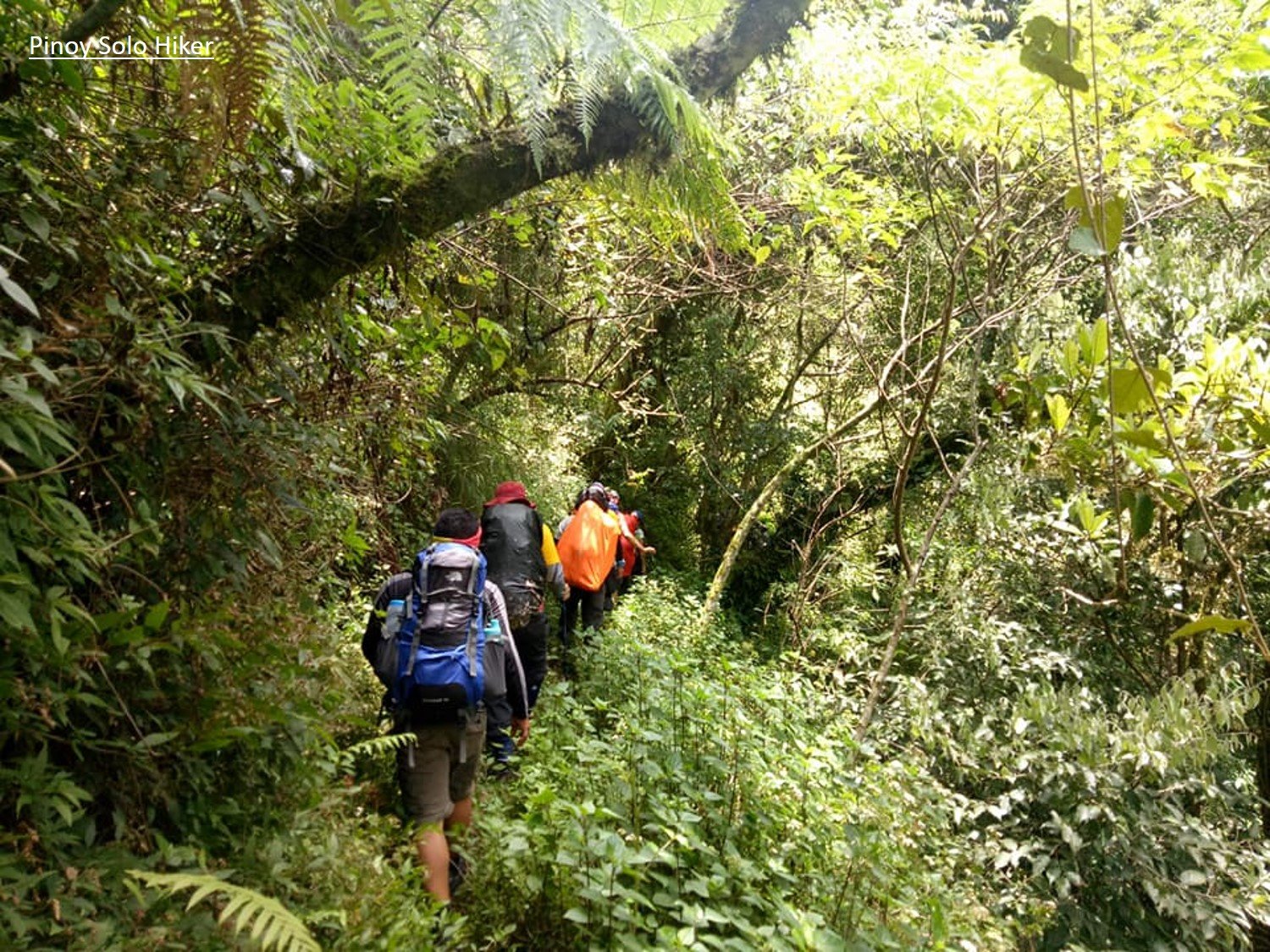
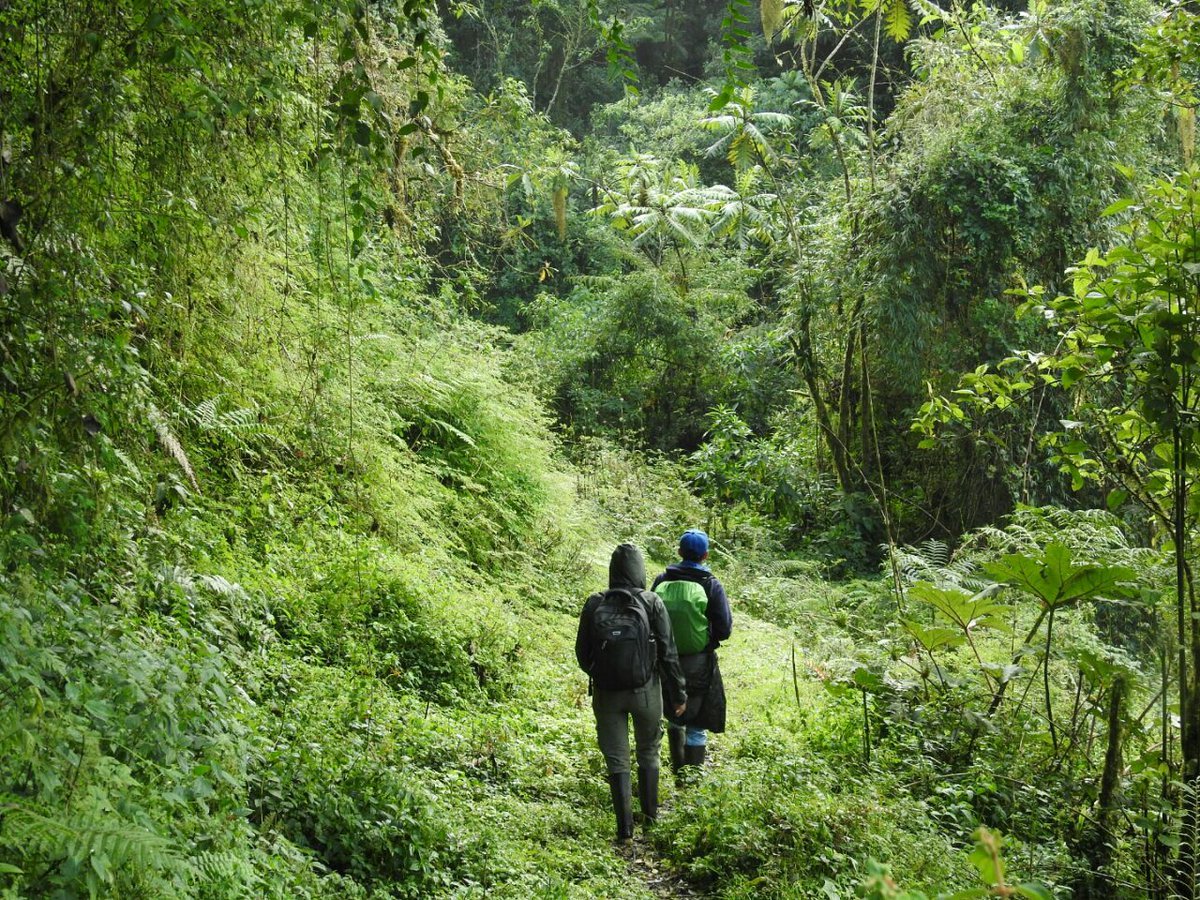
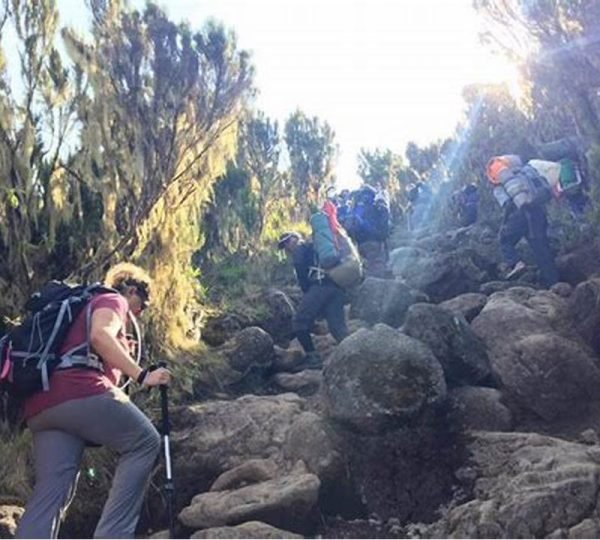
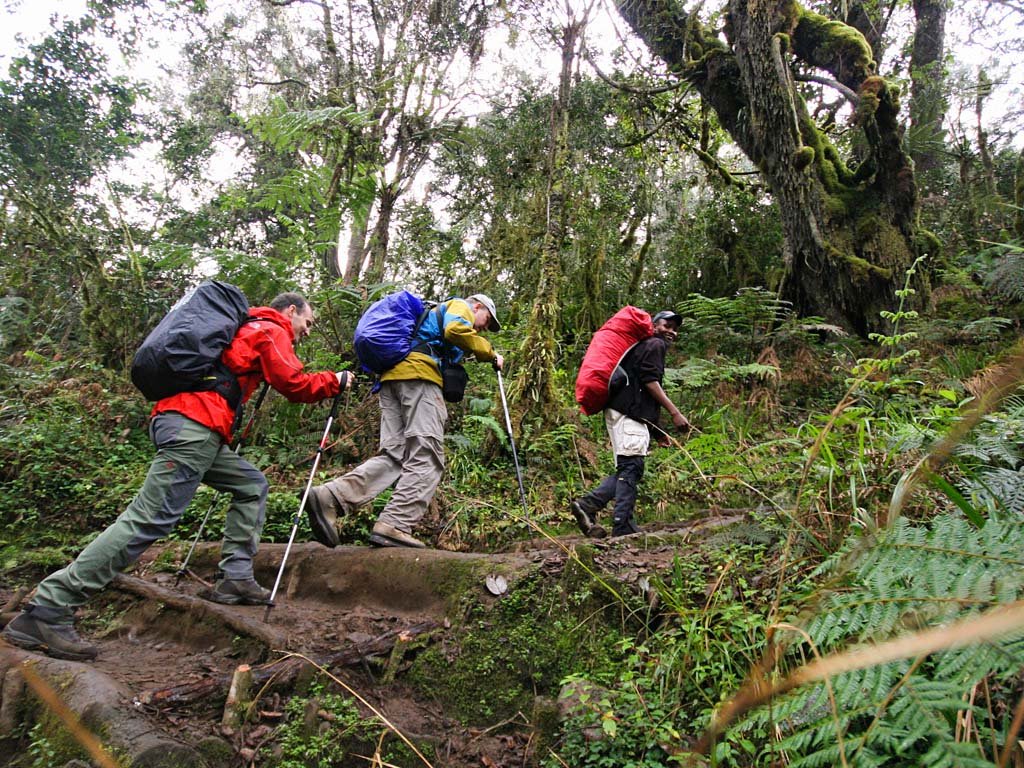
The trail is wide and well maintained, with tall trees overhead and rich green vegetation all around. This is the warmest and most humid part of the climb. If the weather is wet, the path can be muddy, so waterproof clothing and good hiking boots are useful.
After several hours of walking, you arrive at Mandara Hut. Once you settle in, there may be time to take a short walk to Maundi Crater, where clear weather can offer views toward Kenya and the surrounding lowlands.
Elevation: 1,860m to 2,700m
Walking time: Approximately 4–5 hours
Overnight: Mandara Hut
Day 2: Mandara Hut to Horombo Hut
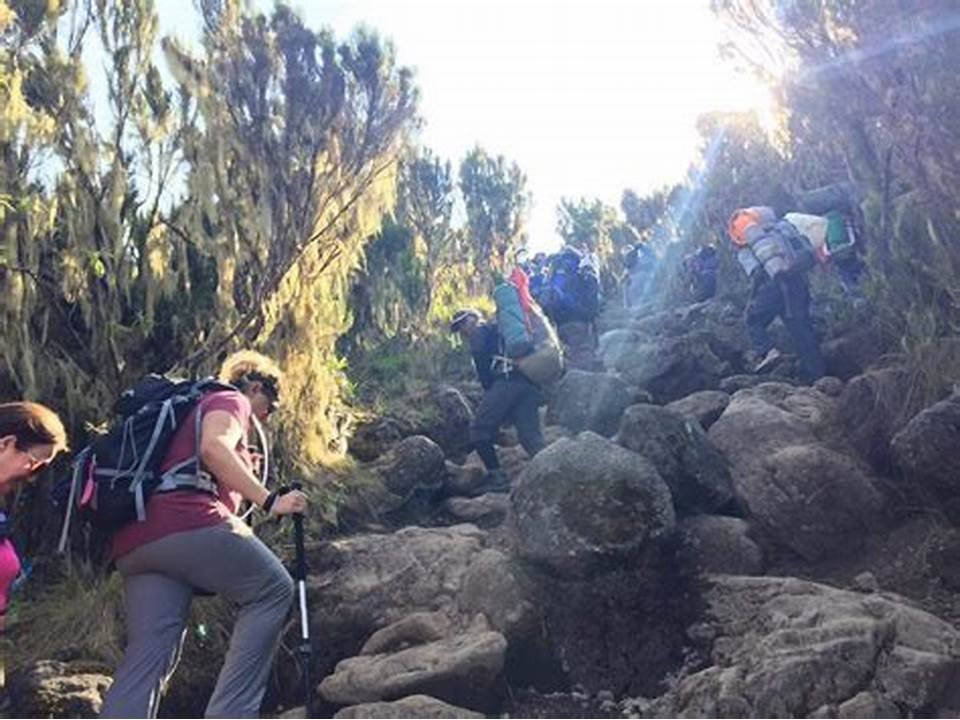
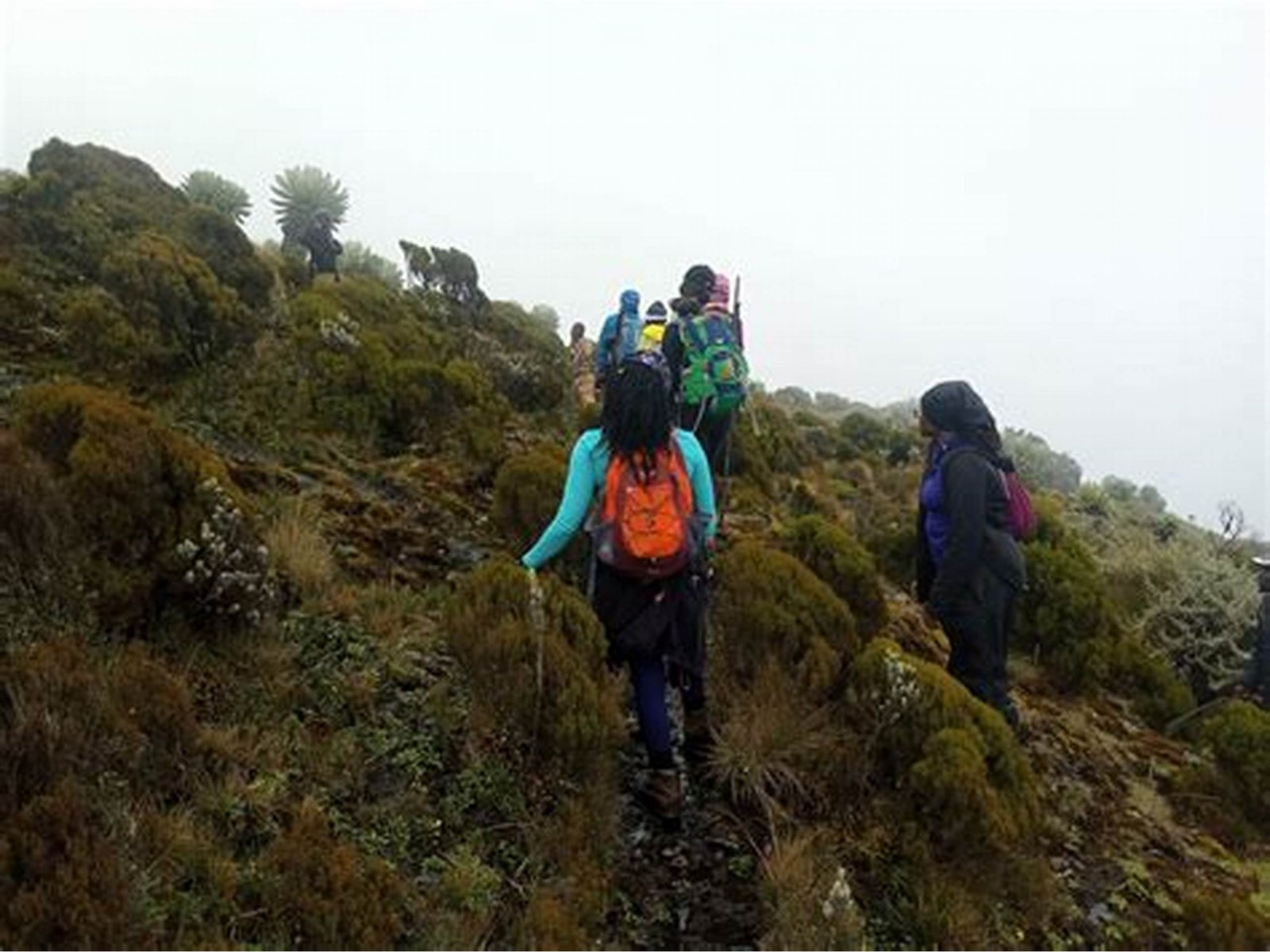
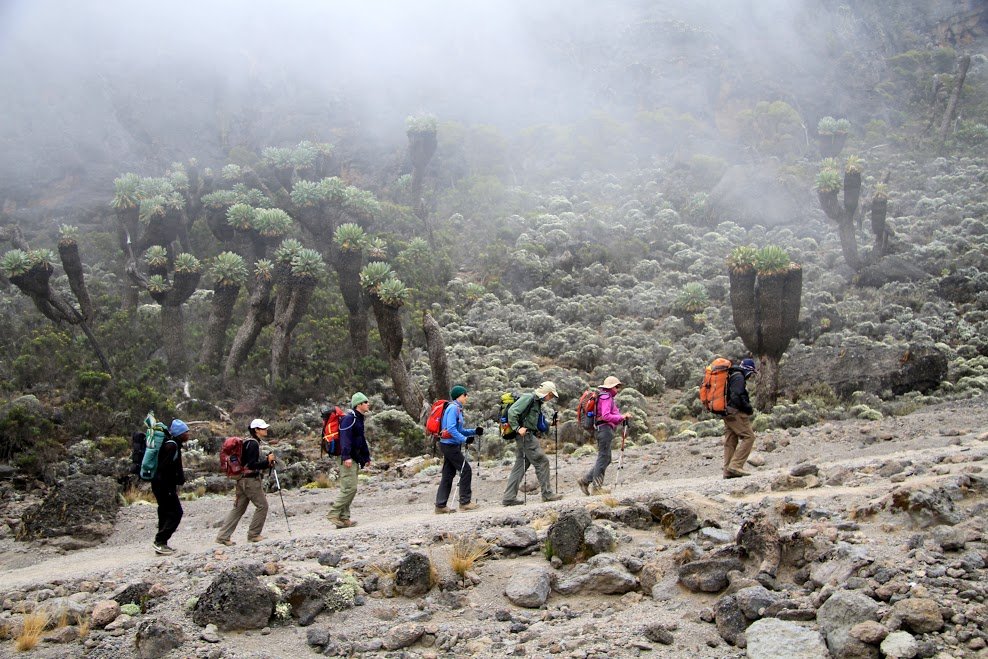
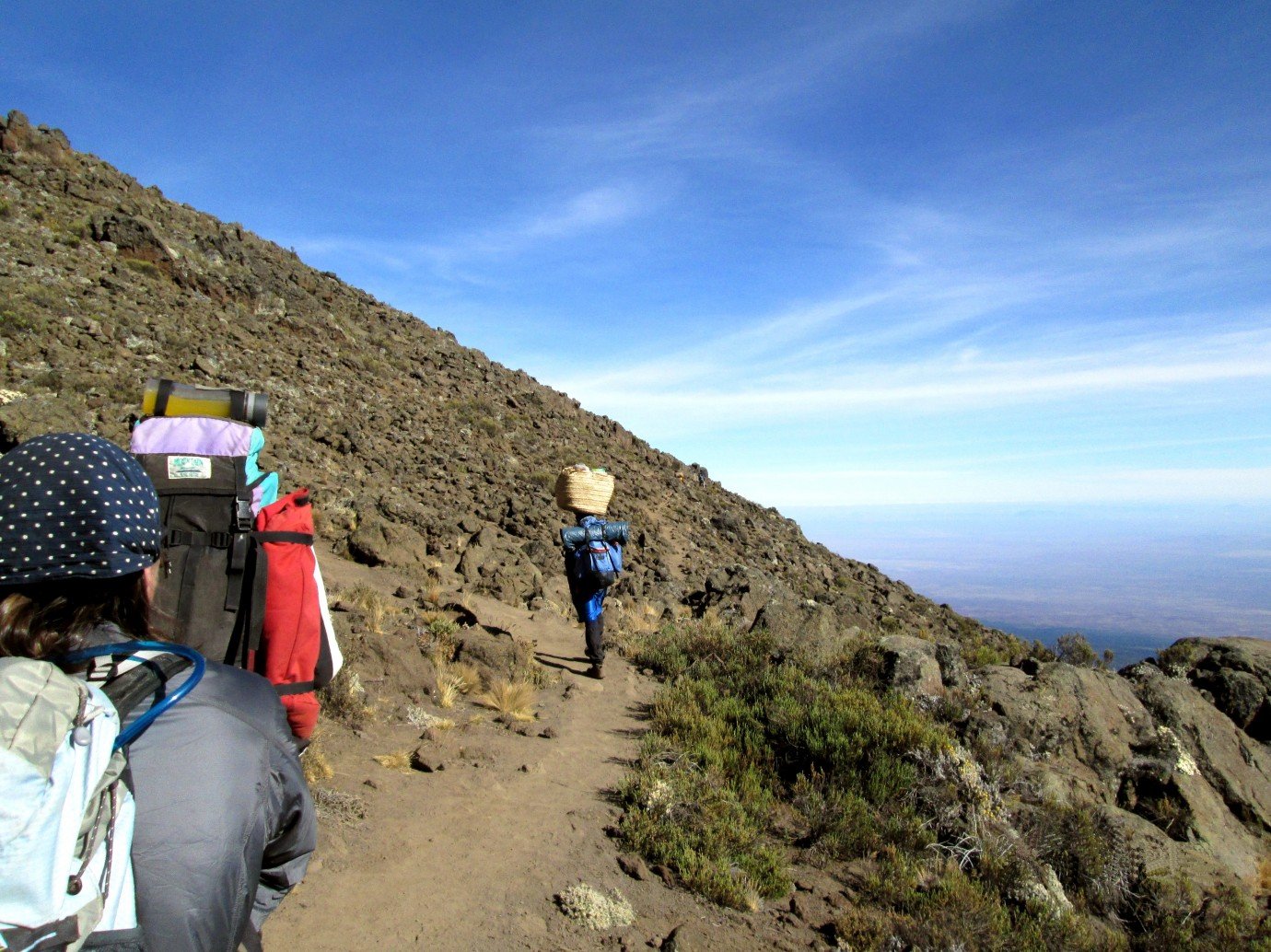
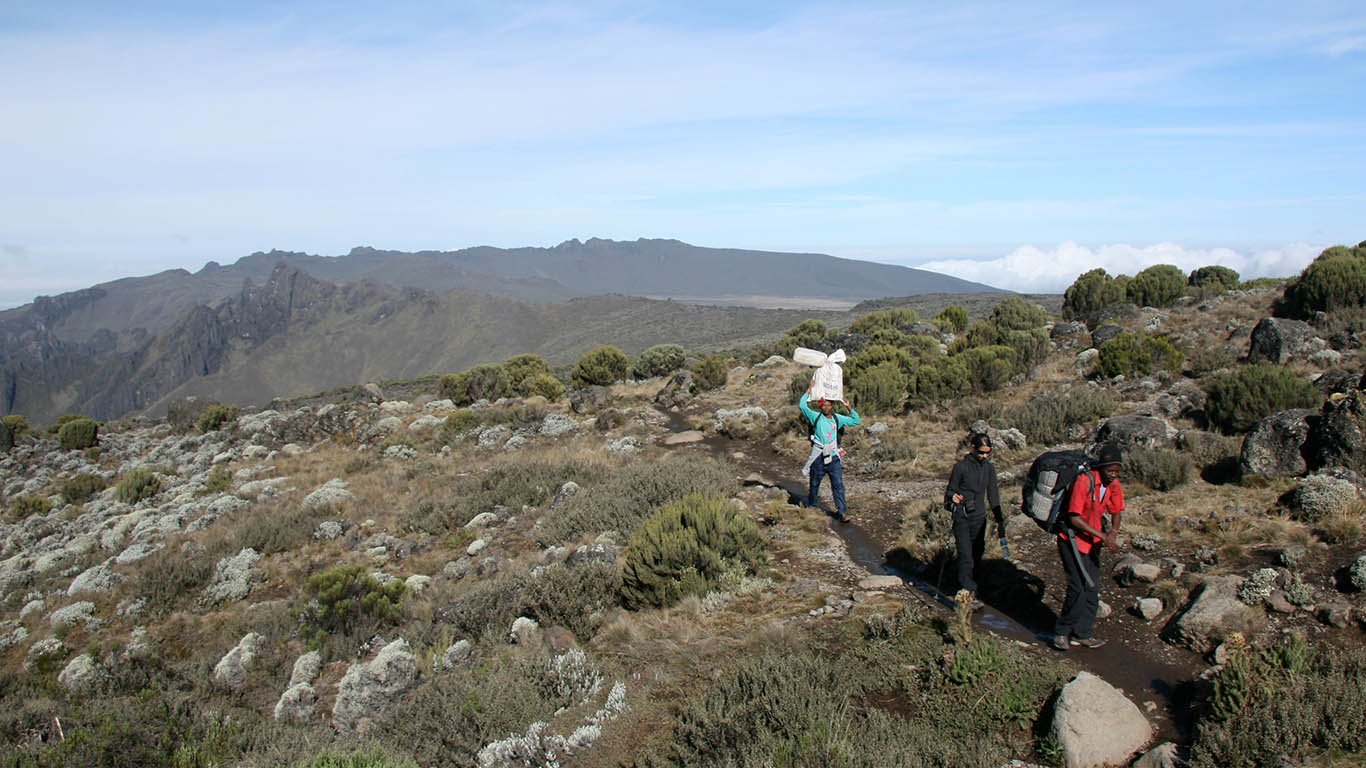
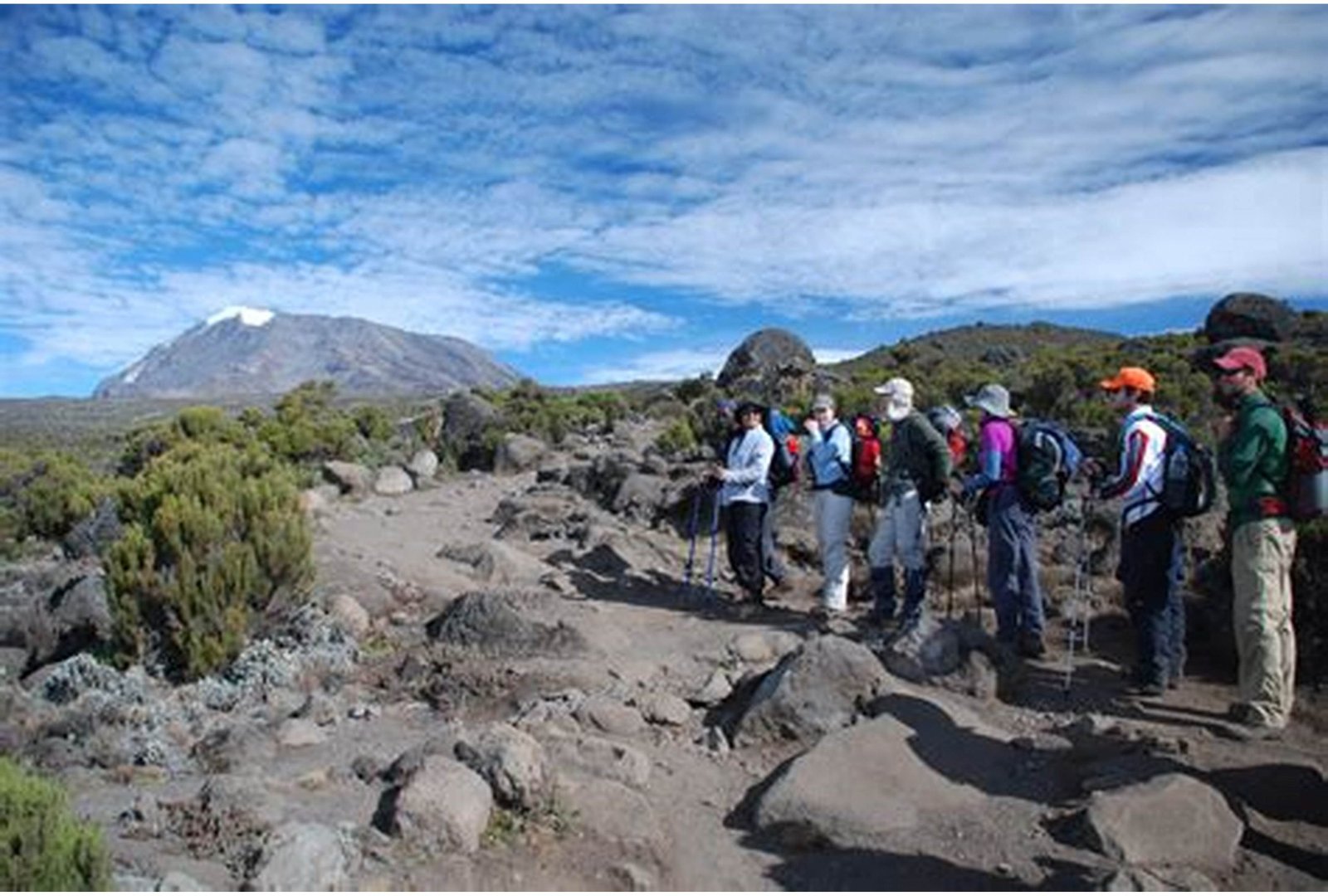
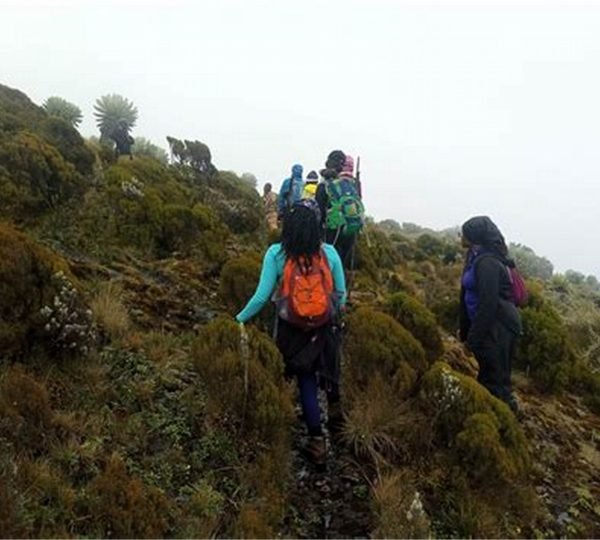
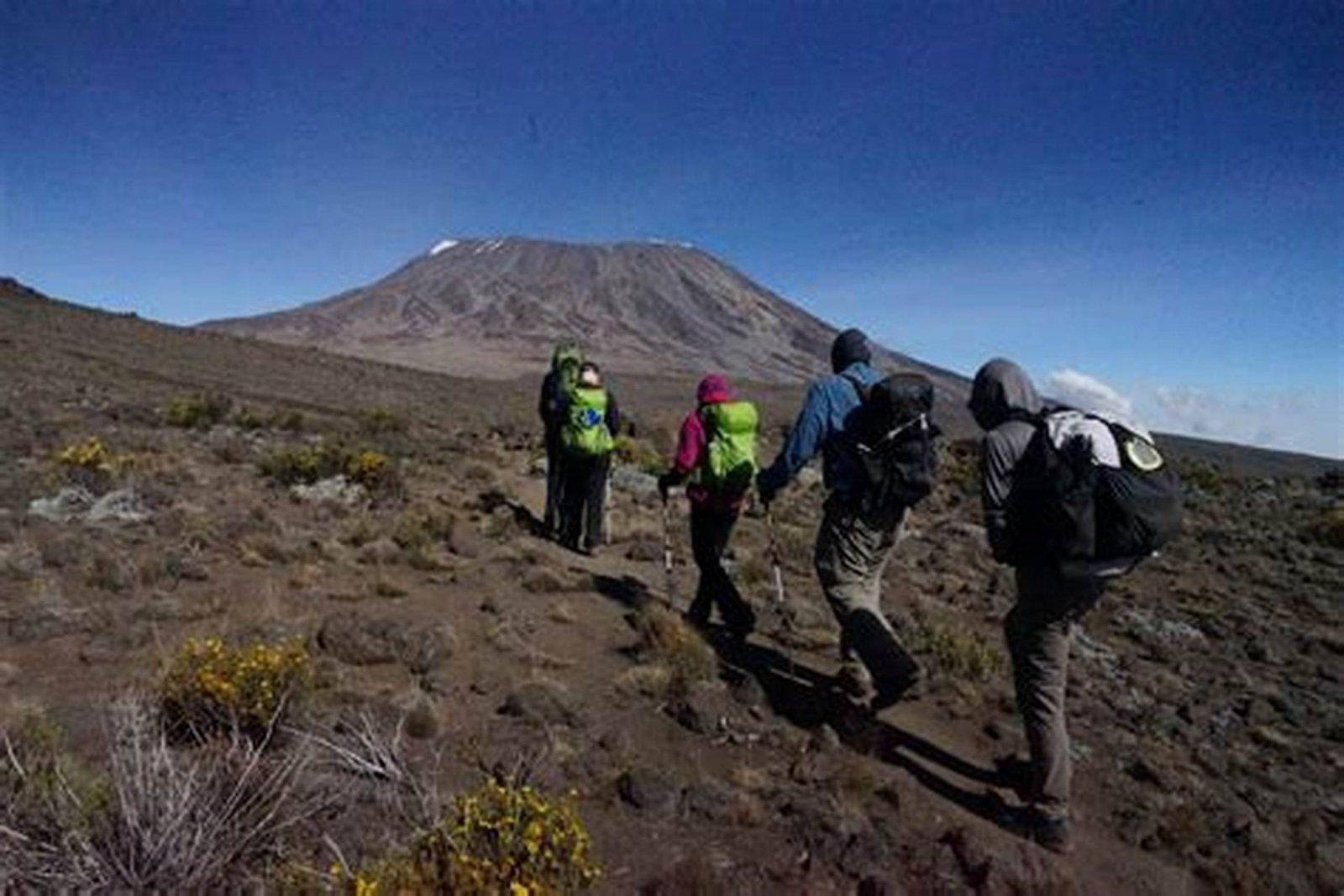
After breakfast, you continue through the forest before the landscape opens into heath and moorland. The air feels cooler as you climb, and the vegetation changes from tall trees to giant lobelias, wide grasslands and volcanic rock.
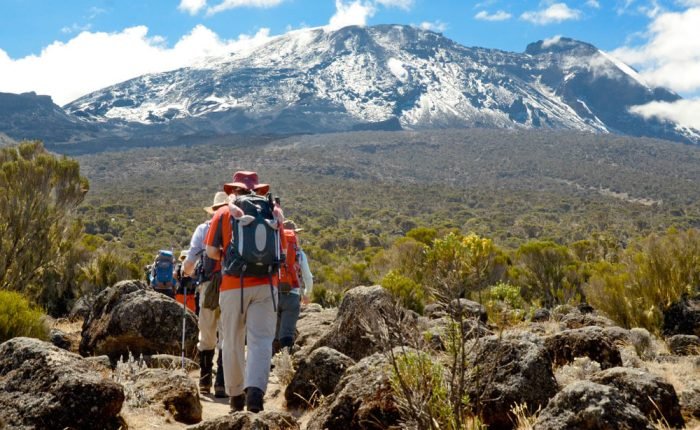
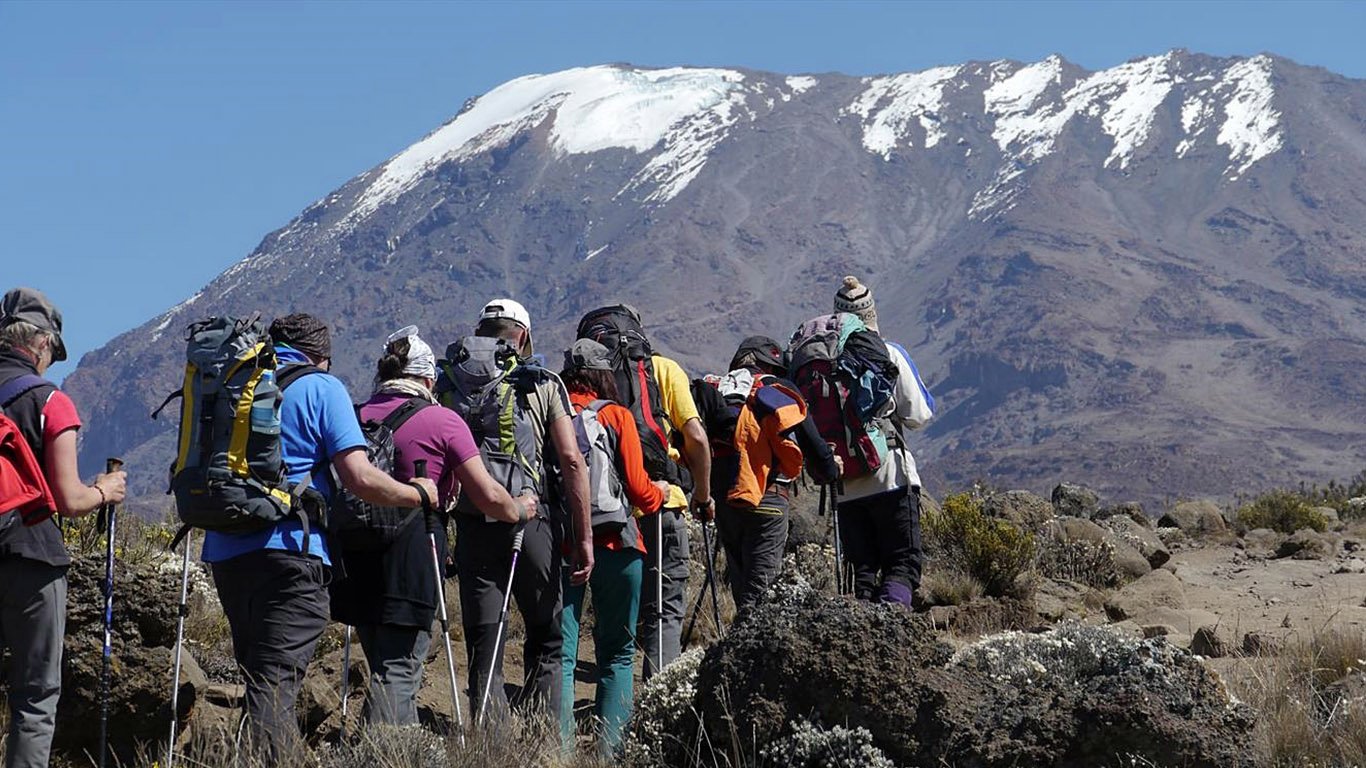
This is a beautiful day on the route. On clear mornings, you may see Mawenzi Peak rising sharply to one side and the snow-capped summit of Kibo appearing ahead.
You arrive at Horombo Hut in the afternoon. This is a large mountain camp with several huts, dining areas and views across the open slopes of Kilimanjaro.
Elevation: 2,700m to 3,720m
Walking time: Approximately 5–6 hours
Overnight: Horombo Hut
Day 3: Acclimatisation Day at Horombo Hut
Today is not a rest day spent entirely inside the hut. It is an active acclimatisation day, designed to help your body adjust to the altitude before you move higher.
After breakfast, you take a slow walk toward Zebra Rocks, named for their distinctive black-and-white striped appearance. The aim is to climb higher during the day, spend time at altitude and then return to sleep at Horombo Hut.
This “climb high, sleep low” approach is valuable on Kilimanjaro. It gives you a chance to check how your body is responding while helping you prepare for the next days of the climb.
The afternoon is for resting, drinking water, eating well and talking with your guide about the route ahead.
Elevation: 3,720m to approximately 3,980m, then back to 3,720m
Walking time: Approximately 2–4 hours
Overnight: Horombo Hut
Day 4: Horombo Hut to Kibo Hut
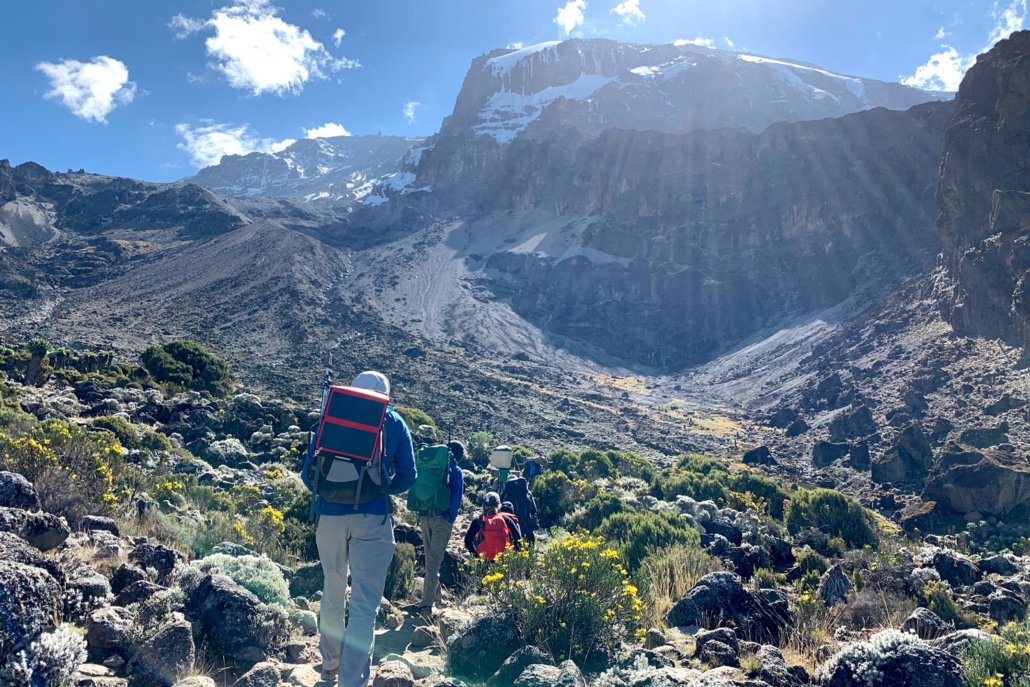
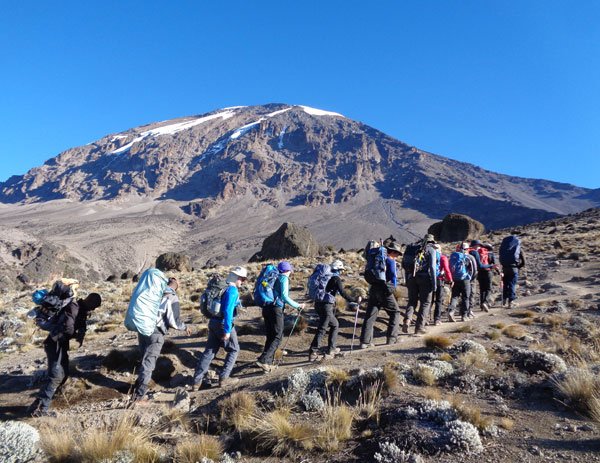
Today you leave the moorland and move into Kilimanjaro’s alpine desert. The landscape becomes dry, open and rocky, with very little vegetation. You will walk between the peaks of Mawenzi and Kibo, crossing an area known as the Saddle.
The trail is gradual but feels longer because of the altitude and open terrain. This is a day for patience. Walk slowly, take regular sips of water and allow your guide to set the pace.
Kibo Hut sits at the base of the summit zone. After arriving, you have an early dinner and prepare your warm clothing, headlamp, gloves and water for the summit attempt. Most climbers try to sleep early because the climb to Uhuru Peak begins shortly after midnight.
Elevation: 3,720m to 4,703m
Walking time: Approximately 5–6 hours
Overnight: Kibo Hut
Day 5: Kibo Hut to Uhuru Peak – Descend to Horombo Hut
Summit day begins during the night. You wake in the cold, eat a light snack and begin the slow ascent toward Gillman’s Point on the crater rim.
This is the most demanding part of the route. The path is steep, the air is thin and temperatures are often below freezing. Your guide will keep the pace steady and support you step by step. There is no need to rush. The Swahili phrase pole pole—slowly, slowly—is the right way to climb at this altitude.
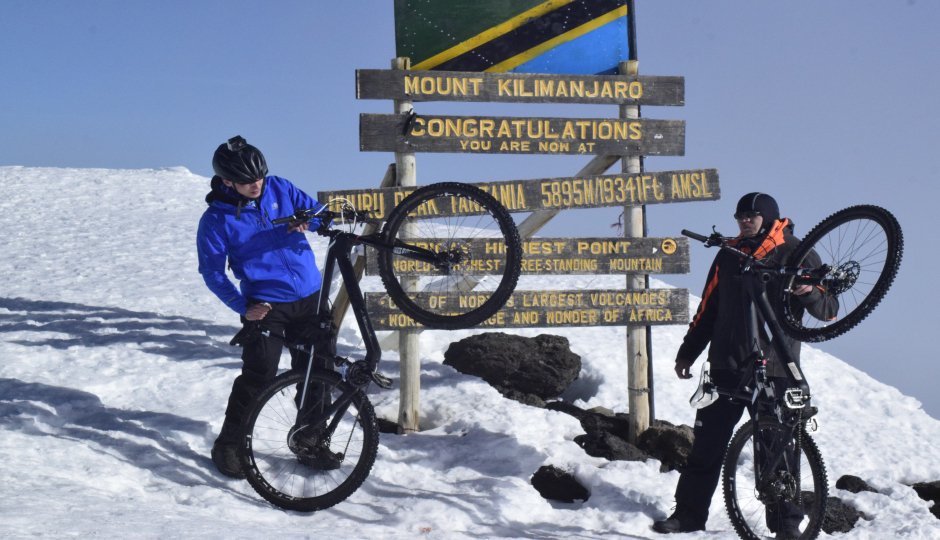
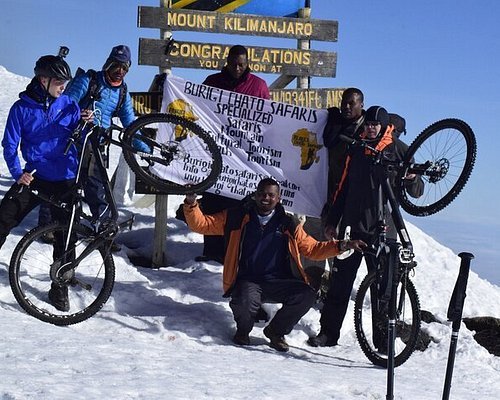
After reaching Gillman’s Point, you continue along the crater rim to Uhuru Peak, the highest point in Africa at 5,895 metres. Standing at the summit is a deeply personal moment. You have crossed rainforest, moorland, alpine desert and the cold summit zone to reach the roof of Africa.
After photographs, you descend to Kibo Hut for a short rest and then continue down to Horombo Hut. The descent is long, but breathing becomes easier as you lose altitude.
Elevation: 4,703m to 5,895m, then down to 3,720m
Walking time: Approximately 11–14 hours
Overnight: Horombo Hut
Day 6: Horombo Hut to Marangu Gate – Return to Arusha or Moshi
After your final mountain breakfast, you begin the descent from Horombo Hut to Marangu Gate. The trail takes you back through moorland and into the rainforest, where the air becomes warmer and richer again.
At Marangu Gate, you sign out of the national park and receive your Kilimanjaro certificate if you reached Gillman’s Point, Stella Point or Uhuru Peak. Your driver will then take you back to Arusha or Moshi to rest, shower and celebrate your climb.
Elevation: 3,720m to 1,860m
Walking time: Approximately 5–7 hours
What Life Is Like on the Marangu Route
The Marangu Route is different from the camping routes because you sleep in shared mountain huts. The huts are simple, warm compared with tents and fitted with dormitory-style sleeping bunks. You need a good-quality sleeping bag, but you do not need a tent or sleeping mattress.
Your mountain crew supports you throughout the climb. Guides lead the route and check how you are coping with altitude, while the cook prepares meals and porters carry the main luggage and equipment. You walk with your daypack only.
Every day follows a steady mountain routine: breakfast, walking, rest breaks, lunch, arrival at camp, dinner and an early night. Your guide will remind you to drink water, eat even when your appetite is low and communicate honestly about how you feel.
What Is Included in the 6-Day Marangu Route Climb?
Your Serengeti Soul Adventures booking confirmation will clearly state the services included in your climb. A standard Marangu Route package is arranged with:
- Transfers to and from Marangu Gate
- Kilimanjaro National Park entry, hut and rescue fees
- Professional mountain guide and support crew
- Porters and mountain cook
- Hut accommodation during the climb
- Meals while on the mountain
- Drinking water during the trek
- Emergency first-aid equipment
- Government taxes and applicable mountain fees
- Kilimanjaro certificate for successful climbers
What Is Not Included?
- International flights
- Tanzania visa fees
- Travel insurance with high-altitude trekking and evacuation cover
- Hotel accommodation before and after the climb, unless stated in your quotation
- Personal hiking equipment and clothing
- Tips for the mountain crew
- Personal expenses, drinks, laundry and souvenirs
Essential Packing for the Marangu Route
Even though you sleep in huts, Kilimanjaro can become extremely cold at higher altitude. Bring a warm sleeping bag, thermal base layers, insulated jacket, waterproof jacket and trousers, gloves, warm hat and good hiking boots.
You should also carry a headlamp with spare batteries, sunglasses, sunscreen, refillable water bottles or hydration bladder, personal medication and a daypack. Your guides can advise on equipment hire options before your travel date.
Best Time to Climb Kilimanjaro via Marangu Route
January to early March and June to October are the most popular climbing periods. These months are generally drier, although weather can change at any time on the mountain.
June to October is usually cooler and can be busier. January to early March is often warmer, with fewer climbers on certain dates. The route can still be climbed in wetter months, but you should expect rain in the rainforest and be properly prepared.
Book Your 6-Day Marangu Route Climb
The Marangu Route is a practical and rewarding way to climb Mount Kilimanjaro, especially for travellers who prefer hut accommodation and a clear route structure. With the extra acclimatisation day at Horombo Hut, this six-day itinerary gives you a more careful approach to the mountain than the shorter five-day option.
Contact Serengeti Soul Adventures to arrange your preferred climbing dates, airport transfers, hotel stays before and after the trek, equipment advice and a tailored quotation.
Frequently Asked Questions
Is the Marangu Route easier than other Kilimanjaro routes?
Marangu has a more straightforward trail and hut accommodation, but it is still a serious high-altitude climb. The main challenge is altitude, especially during summit night.
Why choose the 6-day Marangu Route instead of the 5-day route?
The six-day route includes an acclimatisation day at Horombo Hut. This gives your body more time to adjust before the climb to Kibo Hut and the summit attempt.
Do I sleep in tents on the Marangu Route?
No. Marangu is the main Kilimanjaro route with shared mountain huts. You still need a warm sleeping bag, but tents are not used for overnight accommodation.
Is the Marangu Route suitable for beginners?
Yes, with proper training and preparation. Beginners should choose the six-day itinerary, train before travel and follow their guide’s pace carefully.
How cold is summit night on Kilimanjaro?
Summit night can be extremely cold, often below freezing. Warm thermal layers, an insulated jacket, gloves, a hat and good-quality footwear are essential.
Can I rent equipment in Tanzania?
Yes. Some Kilimanjaro equipment may be available to hire locally. Serengeti Soul Adventures can advise you on the available items before your climb.
Related Tours
Frequently Asked Questions
Find useful answers about Tanzania safaris, Mount Kilimanjaro climbing, Zanzibar holidays and planning your trip.
Planning Your Tanzania Trip
1. What services does Serengeti Soul Adventure provide?
Serengeti Soul Adventure helps travellers plan Tanzania safari tours, Mount Kilimanjaro climbing trips, Zanzibar beach holidays, cultural experiences and tailor-made Tanzania journeys.
2. Can you create a tailor-made Tanzania itinerary?
Yes. Your trip can be planned around the number of days you have, your preferred destinations, accommodation style, interests and budget.
3. How far in advance should I book my Tanzania holiday?
Booking several months in advance is helpful, especially for peak safari seasons, popular lodges and Kilimanjaro climbs. Last-minute trips may still be possible depending on availability.
4. Can I combine a Tanzania safari with Zanzibar?
Yes. Many travellers enjoy a northern Tanzania safari first, followed by a few relaxing days in Zanzibar for beaches, Stone Town and island experiences.
5. Can I combine a safari with Mount Kilimanjaro climbing?
Yes. A safari can be arranged before or after your climb, depending on your travel dates, energy levels and the route you choose.
6. Do you arrange private safaris?
Yes. Private safaris allow you to travel with your own group and move at a pace that suits your interests and daily plans.
7. Do you arrange group safaris?
Group safari options may be available depending on travel dates and the type of trip you are looking for. Contact us to discuss suitable options.
8. Can you help us choose the right accommodation?
Yes. We can suggest lodges, tented camps or budget camping options based on your route, travel style and preferred budget range.
9. Are Tanzania trips suitable for couples, families and solo travellers?
Yes. Tanzania can be planned for honeymooners, families, friends, solo travellers and small groups with an itinerary suited to each type of trip.
10. How do I request a Tanzania safari or climbing quote?
Send your preferred travel dates, number of travellers, destinations, interests and budget range by email or WhatsApp. We will then help prepare a suitable plan.
Tanzania Safari Questions
11. What is the best time to go on a Tanzania safari?
Tanzania is a year-round safari destination. The best time depends on the parks you want to visit, the Great Migration location, weather preferences and the type of wildlife experience you want.
12. How many days do I need for a Tanzania safari?
A short safari can take 3 to 4 days, while 5 to 8 days allows more time for Serengeti, Ngorongoro, Tarangire and Lake Manyara. Longer trips can include Zanzibar too.
13. What is the Great Migration?
The Great Migration is the annual movement of large herds of wildebeest, zebra and other animals across the Serengeti ecosystem. The best area to visit changes with the season.
14. Where can I see the Big Five in Tanzania?
The Serengeti, Ngorongoro Crater, Tarangire and other northern Tanzania parks offer excellent wildlife viewing. Sightings can never be guaranteed because animals are wild.
15. Is Ngorongoro Crater worth visiting?
Yes. Ngorongoro Crater is one of Tanzania’s most famous wildlife areas, known for its dramatic landscape and high concentration of animals on the crater floor.
16. Why should I include Tarangire National Park?
Tarangire is well known for elephants, baobab trees, birdlife and a quieter safari atmosphere. It fits well into many northern Tanzania safari routes.
17. Can children join a Tanzania safari?
Yes. Family safari itineraries can be planned with suitable driving distances, accommodation and activities. Let us know the children’s ages when requesting your trip.
18. What type of vehicle is used for a safari?
Most northern Tanzania safaris use a 4x4 safari vehicle with comfortable seating and a pop-up roof for wildlife viewing. Vehicle arrangements depend on the group size and route.
19. Will I have a driver guide on safari?
Yes. A driver guide helps with driving, wildlife spotting, daily timing, park knowledge and making the most of your safari experience.
20. Are safari park fees included in the quote?
Your quote will clearly show what is included. Park fees are commonly included in a complete safari package, but always check the specific itinerary and quotation.
Mount Kilimanjaro Climbing
21. How high is Mount Kilimanjaro?
Mount Kilimanjaro’s Uhuru Peak is 5,895 metres above sea level and is the highest point in Africa.
22. Do I need climbing experience to climb Kilimanjaro?
Technical climbing experience is not required for the standard routes, but good preparation, fitness, suitable equipment and a sensible pace are important.
23. Which Kilimanjaro route should I choose?
The best route depends on your available time, trekking experience, preferred scenery and desired pace. Popular choices include Machame, Lemosho, Marangu, Rongai, Umbwe and Northern Circuit.
24. How many days does it take to climb Kilimanjaro?
Most Kilimanjaro trips take between 5 and 9 days, depending on the route. More days can provide a slower pace and additional time to acclimatise.
25. What is the Machame Route?
Machame is a popular scenic route, usually completed over several days. It is known for varied landscapes and a gradual climb-high, sleep-low style of acclimatisation on many itineraries.
26. What is the Lemosho Route?
Lemosho is a longer route with varied scenery and a more gradual approach. It is often chosen by travellers who have more time for the mountain.
27. What is the Marangu Route?
Marangu is commonly known for hut accommodation along the route. It has a different route style from camping routes such as Machame and Lemosho.
28. What should I pack for Kilimanjaro?
You need layered clothing for changing temperatures, strong walking boots, a warm sleeping system, rain protection, gloves, hat, daypack and personal essentials. A full packing list can be provided.
29. Are meals and camping equipment included on Kilimanjaro?
Your exact package inclusions will be listed in the quote. Kilimanjaro climbing packages commonly include mountain crew support, meals, camping equipment and park fees.
30. What happens if I feel unwell during the climb?
Your guide monitors the group and makes safety decisions based on how you are feeling. It is important to communicate honestly about symptoms and follow the guide’s advice.
Zanzibar Beach Holidays
31. How many days do I need in Zanzibar?
4 to 7 days works well for many travellers. The ideal length depends on whether Zanzibar is your full holiday or the beach part of a Tanzania safari and Zanzibar itinerary.
32. Which part of Zanzibar is best for beaches?
Different areas offer different experiences. Nungwi, Kendwa, Paje, Jambiani and Matemwe are popular choices, depending on whether you prefer swimming, watersports, quiet time or a lively beach setting.
33. Is Zanzibar suitable for a honeymoon?
Yes. Zanzibar is a popular honeymoon choice and can be combined with a Tanzania wildlife safari for a safari and beach honeymoon.
34. Can I visit Stone Town during my Zanzibar holiday?
Yes. Stone Town is a historic part of Zanzibar City and can be included in an itinerary for walking tours, local history, markets and culture.
35. What activities can I do in Zanzibar?
Popular activities include beach relaxation, Stone Town tours, spice farm visits, snorkelling, diving, dhow cruises and exploring local villages and food.
36. Can I go snorkelling or diving in Zanzibar?
Yes. Zanzibar has several areas for snorkelling and diving. The best activity and location depend on weather, sea conditions and your level of experience.
37. Is Zanzibar good for families?
Yes. A family beach holiday can be planned with suitable hotels, travel times and activities for children and adults.
38. Can Zanzibar be added after a safari in Serengeti?
Yes. Many travellers fly from northern Tanzania to Zanzibar after their safari. We can help plan the connection as part of one Tanzania holiday.
Practical Travel Information
39. Do I need a visa for Tanzania?
Visa requirements depend on your nationality and may change. Check the official Tanzania immigration information or consult the relevant Tanzanian embassy before you travel.
40. Do I need travel insurance for Tanzania?
Travel insurance is strongly recommended. It should be suitable for your trip and cover areas such as medical care, cancellations, lost luggage and activities like mountain trekking where relevant.
41. Which airport should I fly into for a northern Tanzania safari?
Kilimanjaro International Airport is commonly used for northern Tanzania safaris and Kilimanjaro climbs. Your ideal airport depends on your itinerary and flight options.
42. Can airport transfers be arranged?
Yes. Airport transfers can be arranged as part of your itinerary. Share your flight details so the correct arrival or departure transfer can be planned.
43. What currency is used in Tanzania?
The Tanzanian Shilling is used locally. US Dollars may also be accepted for some tourism-related expenses, but carry small denominations and check current guidance before travelling.
44. Can I use a credit card in Tanzania?
Credit cards are accepted at some lodges, hotels and larger businesses, but cash can still be useful for smaller purchases, tips and places where card facilities are limited.
45. Is Wi-Fi available during a Tanzania safari?
Wi-Fi may be available at many lodges and camps, but the quality can vary. Some remote safari areas have limited or no connection.
46. What language is spoken in Tanzania?
Swahili and English are widely used in Tanzania. Learning a few Swahili greetings can be a friendly way to connect with local people.
47. What should I wear on safari?
Choose comfortable lightweight clothing in neutral colours, plus a warm layer for early mornings, sun protection, comfortable shoes and rain protection when needed.
48. Are vaccinations required for Tanzania?
Health and vaccination advice depends on your travel history, nationality and transit route. Speak with a qualified travel-health professional well before your trip.
49. Is Tanzania safe for tourists?
Millions of visitors travel to Tanzania each year. Like any destination, follow local advice, keep valuables secure, use trusted transport and stay aware of your surroundings.
50. How can I contact Serengeti Soul Adventure?
You can contact Serengeti Soul Adventure by WhatsApp or phone on +255 797 942 043, by email at info@serengetsoula.com, or through the website enquiry form.