Kilimanjaro National Park
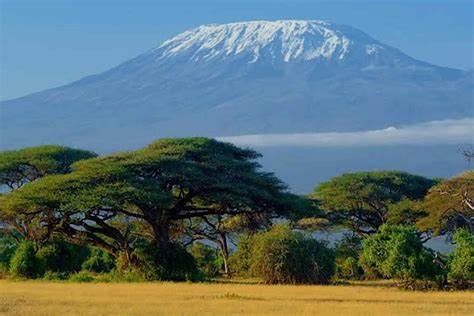
Kilimanjaro National Park
Crowned by the Mount Kilimanjaro, Africa’s highest peak, Kilimanjaro National Park is one of Tanzania Popular parks
In 1987, UNESCO declared Kilimanjaro a World Heritage Site due to its uniqueness.
The Kilimanjaro Mountain is located in the Northern Tanzania right to the border to the Kenyan republic in Eastern Africa.
Rising abruptly from the open plains, capped by snow and frequently fringed by clouds, it is one of the Africa classic images. Kilimanjaro is a dormant but not extinct volcano.
Apart from a mountain, the park offers other attractions and there are some rare and endemic species of flora and fauna. 2,500 species of plants and 140 mammal species have been recorded.
Major tourism activity in the Park is mountain climbing in which tourists climb the mountain by using routes available.
Any reasonably fit person can conquer Kilimanjaro. Total climb normally take five to six days and involves four or five overnight stays in comfortable mountain huts.
There are several routes including Marangu, the easiest to climb and therefore the more popular, Machame, Shira, Umbwe and Rongai are other routes.
Frequently Asked Questions
Find useful answers about Tanzania safaris, Mount Kilimanjaro climbing, Zanzibar holidays and planning your trip.
Planning Your Tanzania Trip
1. What services does Serengeti Soul Adventure provide?
Serengeti Soul Adventure helps travellers plan Tanzania safari tours, Mount Kilimanjaro climbing trips, Zanzibar beach holidays, cultural experiences and tailor-made Tanzania journeys.
2. Can you create a tailor-made Tanzania itinerary?
Yes. Your trip can be planned around the number of days you have, your preferred destinations, accommodation style, interests and budget.
3. How far in advance should I book my Tanzania holiday?
Booking several months in advance is helpful, especially for peak safari seasons, popular lodges and Kilimanjaro climbs. Last-minute trips may still be possible depending on availability.
4. Can I combine a Tanzania safari with Zanzibar?
Yes. Many travellers enjoy a northern Tanzania safari first, followed by a few relaxing days in Zanzibar for beaches, Stone Town and island experiences.
5. Can I combine a safari with Mount Kilimanjaro climbing?
Yes. A safari can be arranged before or after your climb, depending on your travel dates, energy levels and the route you choose.
6. Do you arrange private safaris?
Yes. Private safaris allow you to travel with your own group and move at a pace that suits your interests and daily plans.
7. Do you arrange group safaris?
Group safari options may be available depending on travel dates and the type of trip you are looking for. Contact us to discuss suitable options.
8. Can you help us choose the right accommodation?
Yes. We can suggest lodges, tented camps or budget camping options based on your route, travel style and preferred budget range.
9. Are Tanzania trips suitable for couples, families and solo travellers?
Yes. Tanzania can be planned for honeymooners, families, friends, solo travellers and small groups with an itinerary suited to each type of trip.
10. How do I request a Tanzania safari or climbing quote?
Send your preferred travel dates, number of travellers, destinations, interests and budget range by email or WhatsApp. We will then help prepare a suitable plan.
Tanzania Safari Questions
11. What is the best time to go on a Tanzania safari?
Tanzania is a year-round safari destination. The best time depends on the parks you want to visit, the Great Migration location, weather preferences and the type of wildlife experience you want.
12. How many days do I need for a Tanzania safari?
A short safari can take 3 to 4 days, while 5 to 8 days allows more time for Serengeti, Ngorongoro, Tarangire and Lake Manyara. Longer trips can include Zanzibar too.
13. What is the Great Migration?
The Great Migration is the annual movement of large herds of wildebeest, zebra and other animals across the Serengeti ecosystem. The best area to visit changes with the season.
14. Where can I see the Big Five in Tanzania?
The Serengeti, Ngorongoro Crater, Tarangire and other northern Tanzania parks offer excellent wildlife viewing. Sightings can never be guaranteed because animals are wild.
15. Is Ngorongoro Crater worth visiting?
Yes. Ngorongoro Crater is one of Tanzania’s most famous wildlife areas, known for its dramatic landscape and high concentration of animals on the crater floor.
16. Why should I include Tarangire National Park?
Tarangire is well known for elephants, baobab trees, birdlife and a quieter safari atmosphere. It fits well into many northern Tanzania safari routes.
17. Can children join a Tanzania safari?
Yes. Family safari itineraries can be planned with suitable driving distances, accommodation and activities. Let us know the children’s ages when requesting your trip.
18. What type of vehicle is used for a safari?
Most northern Tanzania safaris use a 4x4 safari vehicle with comfortable seating and a pop-up roof for wildlife viewing. Vehicle arrangements depend on the group size and route.
19. Will I have a driver guide on safari?
Yes. A driver guide helps with driving, wildlife spotting, daily timing, park knowledge and making the most of your safari experience.
20. Are safari park fees included in the quote?
Your quote will clearly show what is included. Park fees are commonly included in a complete safari package, but always check the specific itinerary and quotation.
Mount Kilimanjaro Climbing
21. How high is Mount Kilimanjaro?
Mount Kilimanjaro’s Uhuru Peak is 5,895 metres above sea level and is the highest point in Africa.
22. Do I need climbing experience to climb Kilimanjaro?
Technical climbing experience is not required for the standard routes, but good preparation, fitness, suitable equipment and a sensible pace are important.
23. Which Kilimanjaro route should I choose?
The best route depends on your available time, trekking experience, preferred scenery and desired pace. Popular choices include Machame, Lemosho, Marangu, Rongai, Umbwe and Northern Circuit.
24. How many days does it take to climb Kilimanjaro?
Most Kilimanjaro trips take between 5 and 9 days, depending on the route. More days can provide a slower pace and additional time to acclimatise.
25. What is the Machame Route?
Machame is a popular scenic route, usually completed over several days. It is known for varied landscapes and a gradual climb-high, sleep-low style of acclimatisation on many itineraries.
26. What is the Lemosho Route?
Lemosho is a longer route with varied scenery and a more gradual approach. It is often chosen by travellers who have more time for the mountain.
27. What is the Marangu Route?
Marangu is commonly known for hut accommodation along the route. It has a different route style from camping routes such as Machame and Lemosho.
28. What should I pack for Kilimanjaro?
You need layered clothing for changing temperatures, strong walking boots, a warm sleeping system, rain protection, gloves, hat, daypack and personal essentials. A full packing list can be provided.
29. Are meals and camping equipment included on Kilimanjaro?
Your exact package inclusions will be listed in the quote. Kilimanjaro climbing packages commonly include mountain crew support, meals, camping equipment and park fees.
30. What happens if I feel unwell during the climb?
Your guide monitors the group and makes safety decisions based on how you are feeling. It is important to communicate honestly about symptoms and follow the guide’s advice.
Zanzibar Beach Holidays
31. How many days do I need in Zanzibar?
4 to 7 days works well for many travellers. The ideal length depends on whether Zanzibar is your full holiday or the beach part of a Tanzania safari and Zanzibar itinerary.
32. Which part of Zanzibar is best for beaches?
Different areas offer different experiences. Nungwi, Kendwa, Paje, Jambiani and Matemwe are popular choices, depending on whether you prefer swimming, watersports, quiet time or a lively beach setting.
33. Is Zanzibar suitable for a honeymoon?
Yes. Zanzibar is a popular honeymoon choice and can be combined with a Tanzania wildlife safari for a safari and beach honeymoon.
34. Can I visit Stone Town during my Zanzibar holiday?
Yes. Stone Town is a historic part of Zanzibar City and can be included in an itinerary for walking tours, local history, markets and culture.
35. What activities can I do in Zanzibar?
Popular activities include beach relaxation, Stone Town tours, spice farm visits, snorkelling, diving, dhow cruises and exploring local villages and food.
36. Can I go snorkelling or diving in Zanzibar?
Yes. Zanzibar has several areas for snorkelling and diving. The best activity and location depend on weather, sea conditions and your level of experience.
37. Is Zanzibar good for families?
Yes. A family beach holiday can be planned with suitable hotels, travel times and activities for children and adults.
38. Can Zanzibar be added after a safari in Serengeti?
Yes. Many travellers fly from northern Tanzania to Zanzibar after their safari. We can help plan the connection as part of one Tanzania holiday.
Practical Travel Information
39. Do I need a visa for Tanzania?
Visa requirements depend on your nationality and may change. Check the official Tanzania immigration information or consult the relevant Tanzanian embassy before you travel.
40. Do I need travel insurance for Tanzania?
Travel insurance is strongly recommended. It should be suitable for your trip and cover areas such as medical care, cancellations, lost luggage and activities like mountain trekking where relevant.
41. Which airport should I fly into for a northern Tanzania safari?
Kilimanjaro International Airport is commonly used for northern Tanzania safaris and Kilimanjaro climbs. Your ideal airport depends on your itinerary and flight options.
42. Can airport transfers be arranged?
Yes. Airport transfers can be arranged as part of your itinerary. Share your flight details so the correct arrival or departure transfer can be planned.
43. What currency is used in Tanzania?
The Tanzanian Shilling is used locally. US Dollars may also be accepted for some tourism-related expenses, but carry small denominations and check current guidance before travelling.
44. Can I use a credit card in Tanzania?
Credit cards are accepted at some lodges, hotels and larger businesses, but cash can still be useful for smaller purchases, tips and places where card facilities are limited.
45. Is Wi-Fi available during a Tanzania safari?
Wi-Fi may be available at many lodges and camps, but the quality can vary. Some remote safari areas have limited or no connection.
46. What language is spoken in Tanzania?
Swahili and English are widely used in Tanzania. Learning a few Swahili greetings can be a friendly way to connect with local people.
47. What should I wear on safari?
Choose comfortable lightweight clothing in neutral colours, plus a warm layer for early mornings, sun protection, comfortable shoes and rain protection when needed.
48. Are vaccinations required for Tanzania?
Health and vaccination advice depends on your travel history, nationality and transit route. Speak with a qualified travel-health professional well before your trip.
49. Is Tanzania safe for tourists?
Millions of visitors travel to Tanzania each year. Like any destination, follow local advice, keep valuables secure, use trusted transport and stay aware of your surroundings.
50. How can I contact Serengeti Soul Adventure?
You can contact Serengeti Soul Adventure by WhatsApp or phone on +255 797 942 043, by email at info@serengetsoula.com, or through the website enquiry form.